
Matting and spacing
Creates visual proportion while helping keep sensitive surfaces separated from glazing.
Conservation Framing in Greenwood Village
Conservation framing for artwork, paper, photographs, documents, textiles, and objects that deserve thoughtful protection without losing visual clarity.
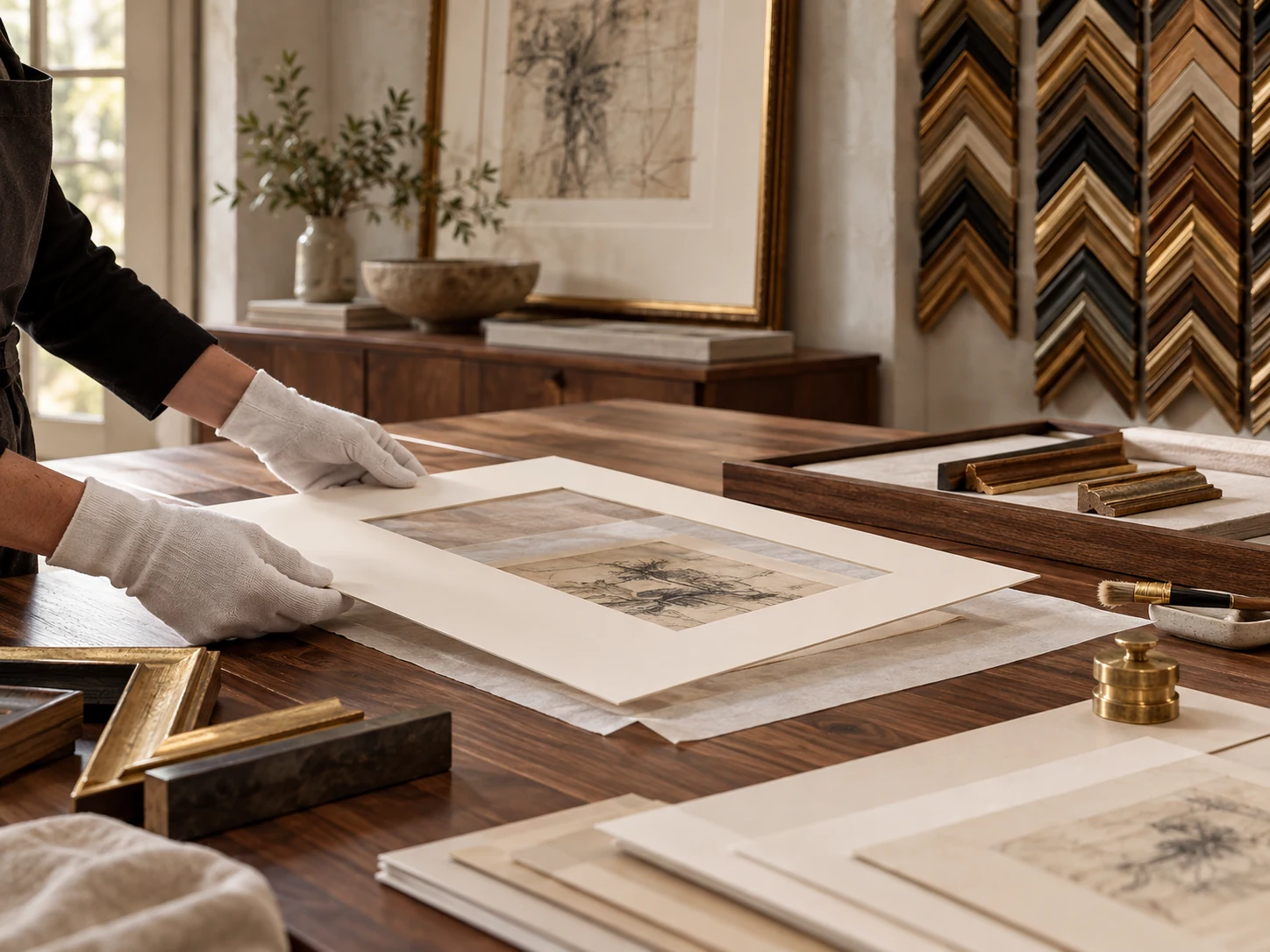
What conservation framing means
The goal is not to make a piece look protected. The goal is to reduce avoidable stress on the artwork while preserving the way it should be seen.
Spacing, mounting, matting, backing, glazing, and frame construction all contribute to the environment around the piece. The right combination depends on the material, condition, value, and where the work will live.
The protection system
Creates visual proportion while helping keep sensitive surfaces separated from glazing.
Selected for clarity, UV filtering, reflection control, weight, scale, and display conditions.
Chosen around the medium so the piece can be supported without unnecessary intervention.
Helps create a more stable physical environment around the artwork inside the frame.
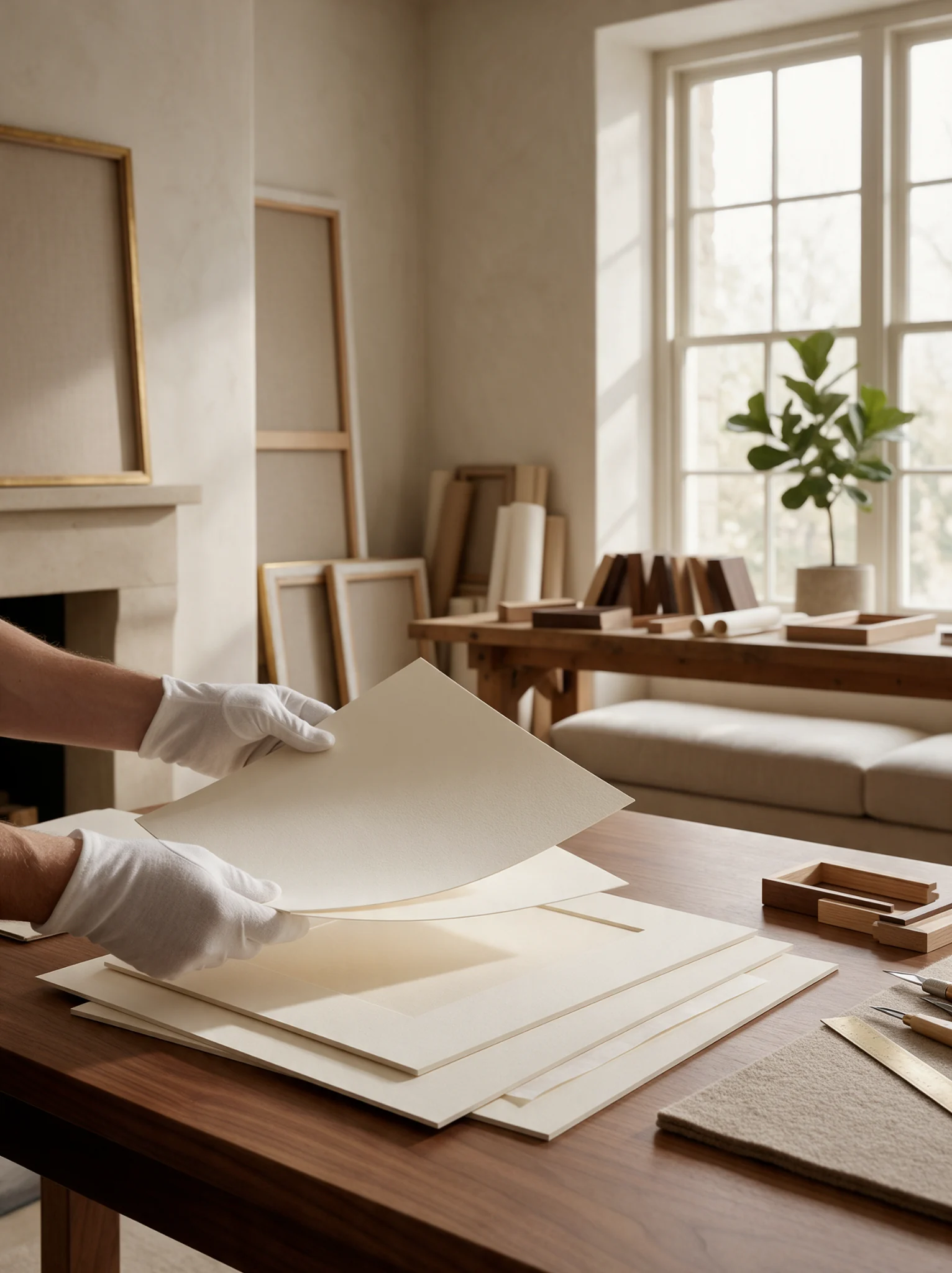
Why material choice matters
Conservation framing is as much about what sits behind the glass as what is visible from the front. Mat board composition, mounting method, spacers, backing, and glazing can all influence how a piece ages.
When to consider it
Conservation choices matter most when the piece is difficult to replace, vulnerable to light or contact, or important enough that you want to preserve its condition over time.
Original drawings, paintings, editions, and mixed media often benefit from a more careful approach to contact, spacing, and glazing.
Family photographs, letters, certificates, and signed materials may have little replacement value but enormous personal value.
Collected works and limited editions deserve framing decisions that consider both presentation and long term care.
Already framed?
Older mats, mounting methods, backing materials, or glazing may not reflect how you want to care for the piece today. A reframing consultation can help identify what is worth changing and what can remain.
Discuss reframing a piece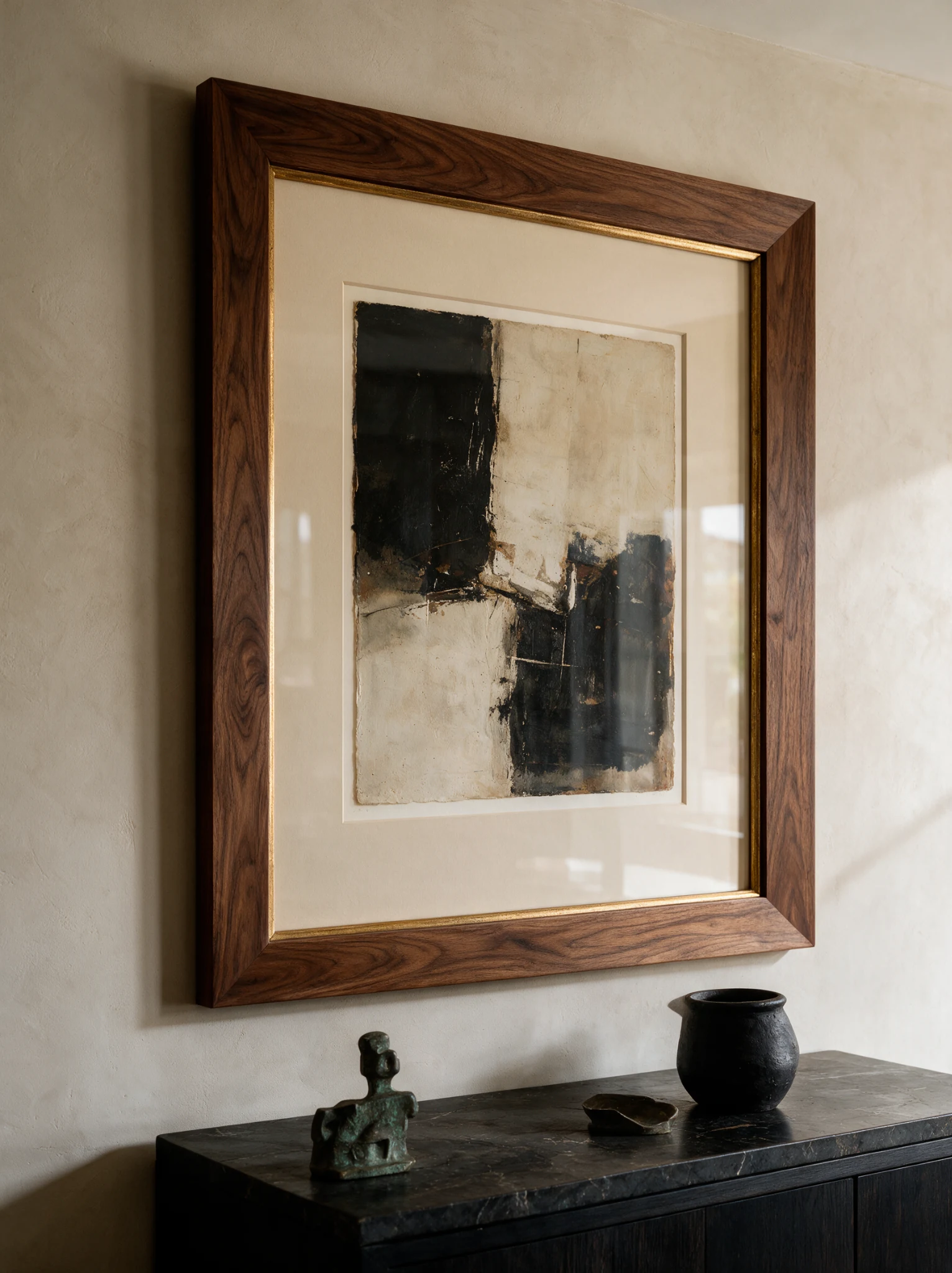
Fine art and conservation
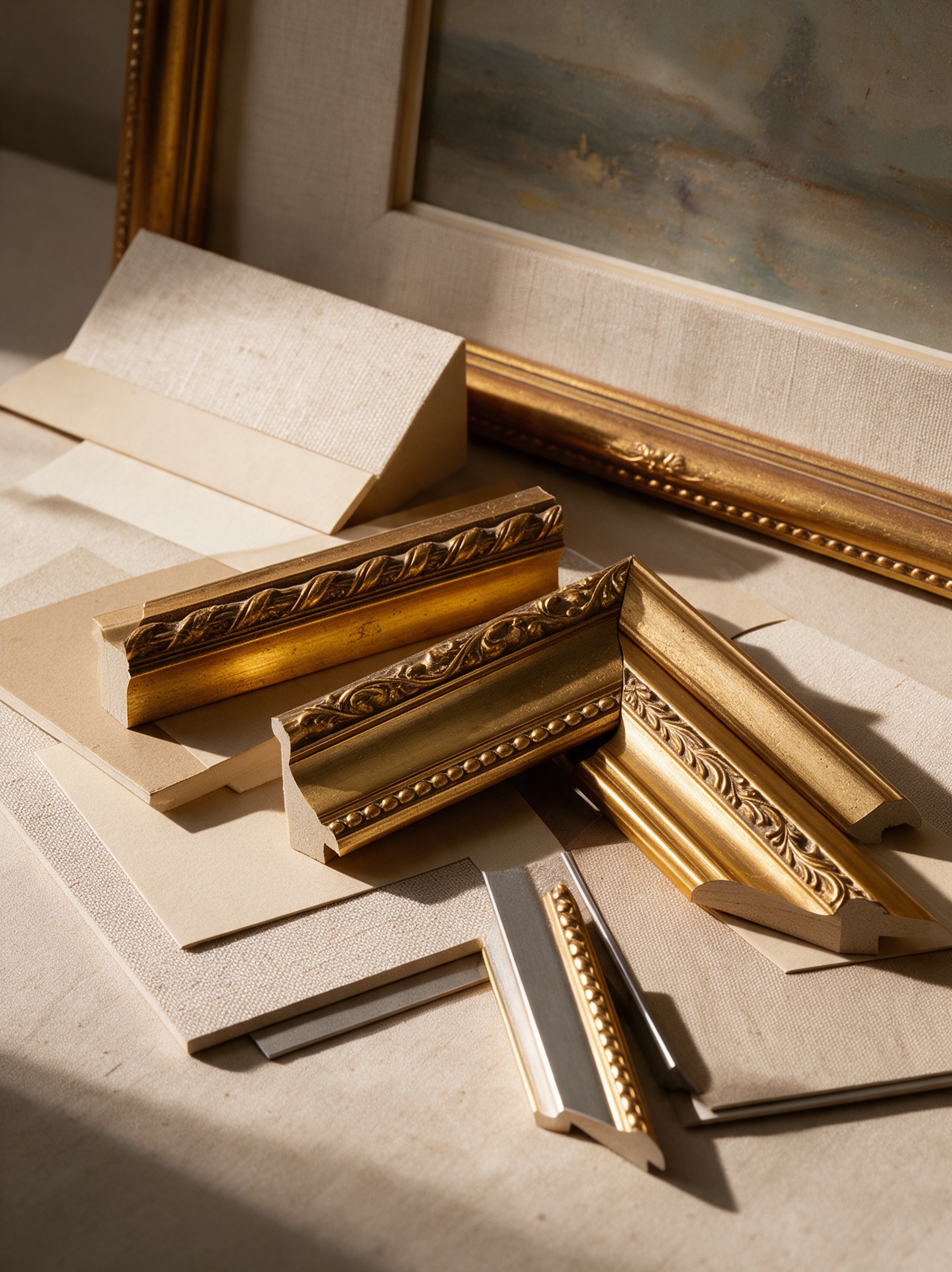
Conservation materials do not have to make a frame look technical or clinical. The finished presentation can still be warm, restrained, tactile, and completely appropriate to the artwork.
Explore Fine Art Framing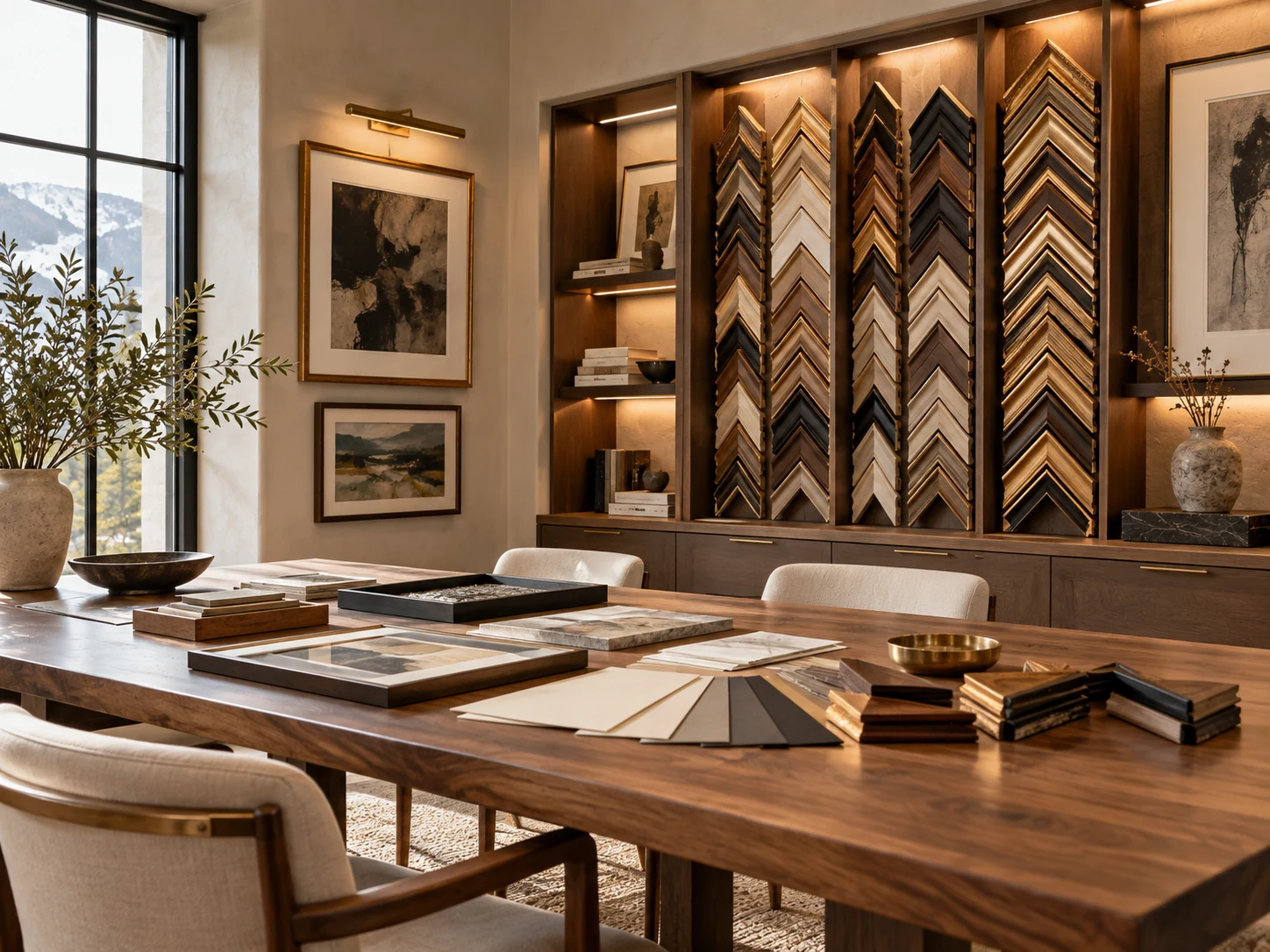
Evaluate the piece in person
Bring the artwork into the Greenwood Village studio so material, condition, scale, glazing, and framing options can be considered around the actual piece rather than from a photograph alone.
Visit the StudioConservation Questions
Conservation framing is less about making a piece look protected and more about choosing materials and methods that support its long term care.
Conservation framing uses materials and methods selected to help reduce avoidable damage to artwork over time. Depending on the piece, this can include archival matting, appropriate mounting, protective glazing, spacing, and stable backing materials.
It is worth considering for original art, works on paper, photographs, signed pieces, family documents, limited editions, textiles, and objects with artistic, historic, financial, or personal value.
No. UV filtering glazing can reduce ultraviolet exposure, but no glazing prevents every source of fading. Light levels, heat, humidity, and placement also affect how materials age.
Often, yes. Existing framing can be evaluated for matting, glazing, mounting, backing, spacing, and frame condition to determine whether a more appropriate conservation approach would help.
No. The same preservation principles can be useful for privately owned artwork, family pieces, photographs, documents, and collections that you want to protect for the long term.
Conservation Framing
Bring the piece in and we will help you understand which preservation choices matter for its material, condition, and future.