Establishing a Visual Theme Through Frame Selection
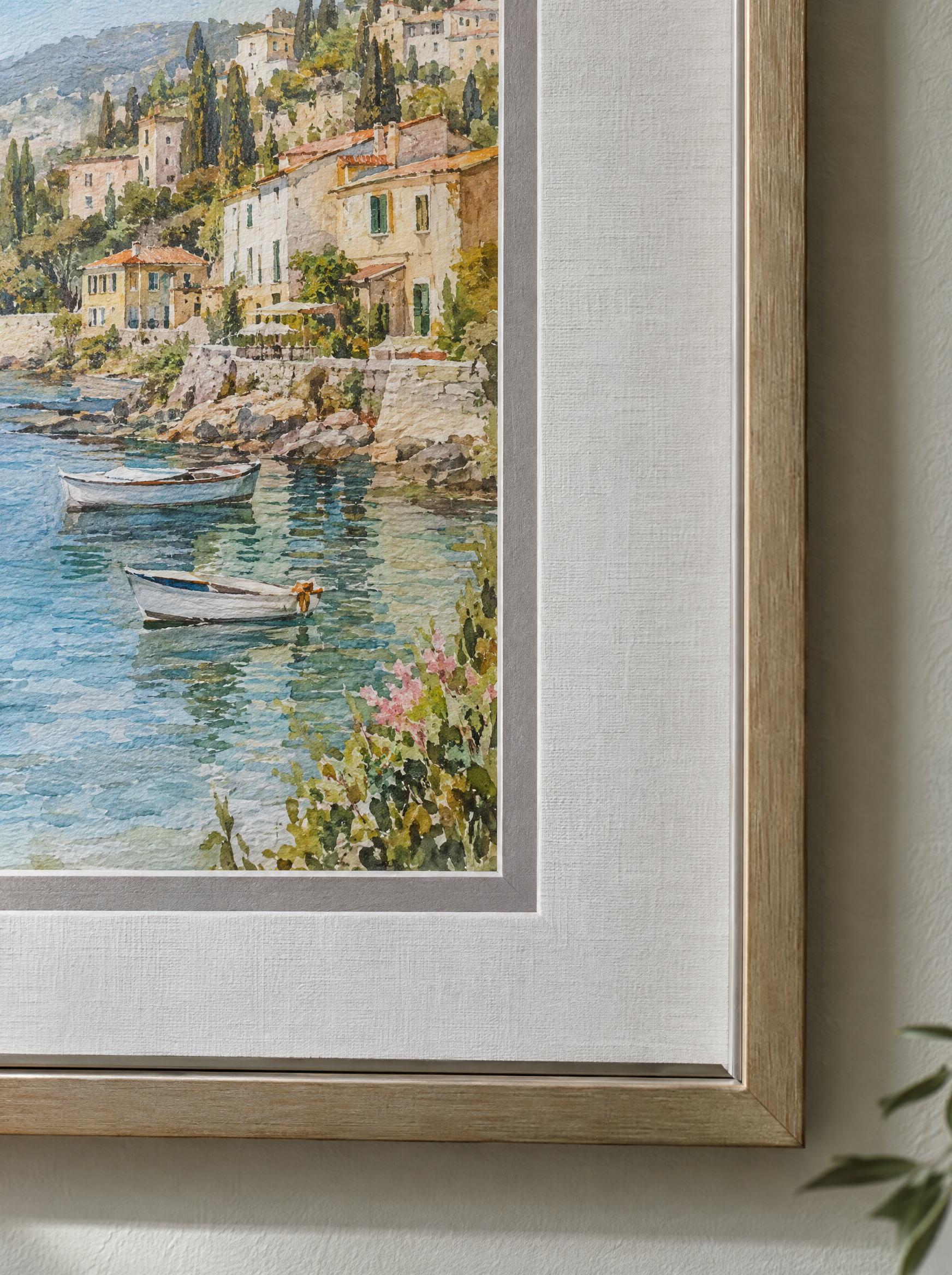
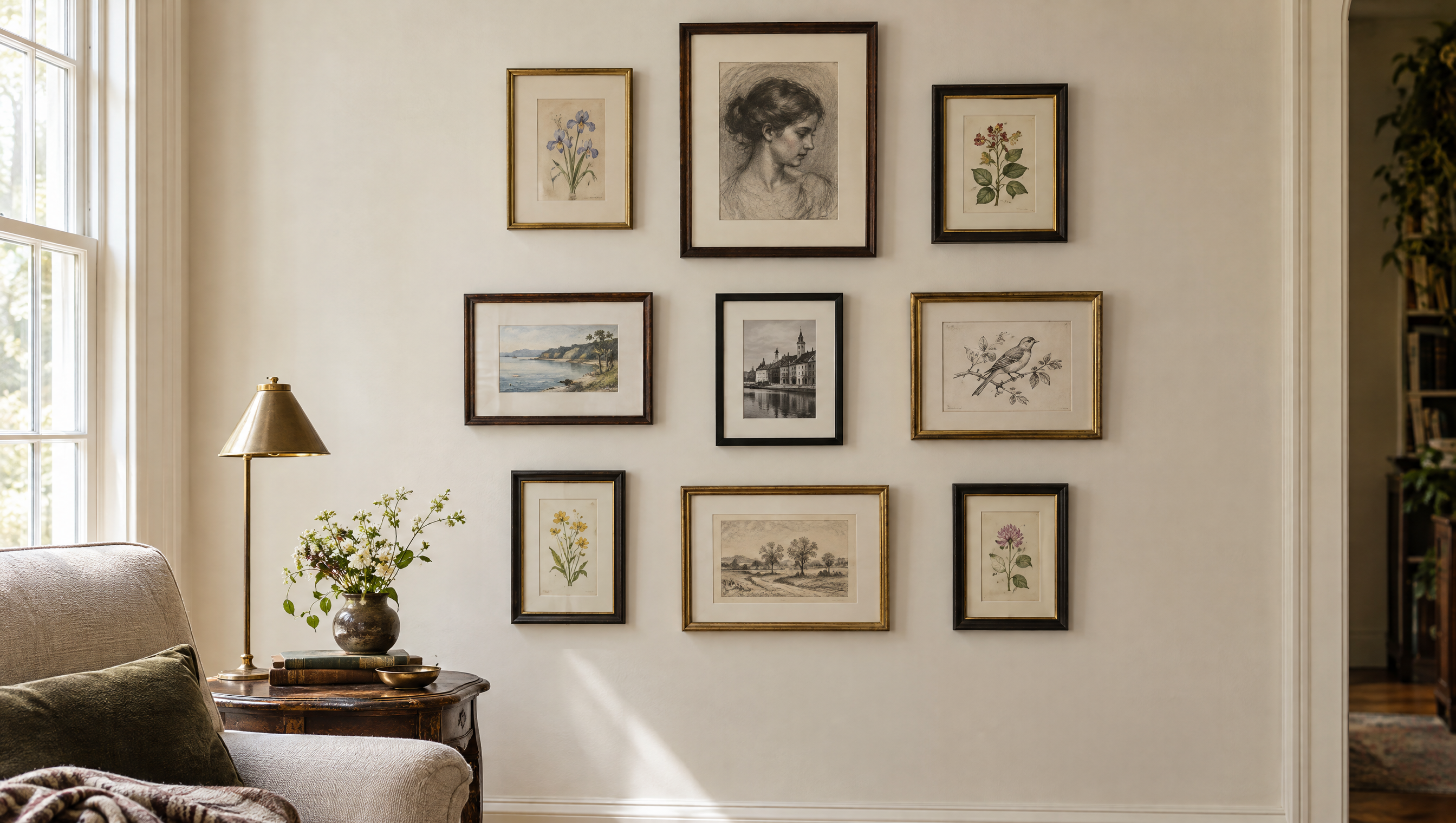
The foundation of a cohesive display begins with selecting frames that share certain characteristics, such as color, material, or profile style. For instance, using all thin black frames can provide uniformity and a modern touch, while natural wood frames add warmth and a classic vibe. The key is to pick a framing style that complements both the art pieces and the room where they'll be displayed.
Tradeoffs emerge between matching all frames identically versus mixing elements. Uniform frames deliver consistency but can sometimes feel monotonous, whereas subtle variations—like mixing matte black metal with charcoal wood—can add personality without sacrificing cohesion. At Masten Fine Framing in Greenwood Village, custom framing options allow you to experiment with frame samples before committing, ensuring the final choice balances harmony with interest.
Utilizing Matting to Unify Diverse Artworks
Mats can serve as a unifying backdrop for varied artwork styles or sizes, bringing a sense of order and breathing space between the art and the frame. Selecting a consistent mat color and width can tie different pieces together and emphasize the collection as a whole. For example, a neutral white or off-white mat is versatile, brightening the presentation and giving each piece room to stand out.
Conversely, custom-colored mats can be chosen to echo tones within the artwork or the decor of your home, adding a bespoke touch. Deciding on single versus double mats affects visual depth; double mats can elevate the artwork but may also overshadow smaller pieces. Considering mat preservation quality is essential, especially for delicate mediums or valuable art, and professional framing services like Masten provide archival mats that protect your collection over time.
Planning the Layout for Balanced Arrangement
The physical arrangement of your framed small artworks greatly influences the overall cohesion. Common approaches include grid patterns, salon-style groupings, or linear alignments. Grid layouts emphasize order and symmetry, ideal when sizes are similar, while salon arrangements allow playful variation and can accommodate differing dimensions and orientations.
Spacing between frames also plays a critical role. Consistent spacing prevents visual clutter and makes the display feel intentional. However, adjusting spacing slightly to accommodate the wall proportions or focal points can help the collection flow naturally with your room’s setup. A professional consultation at Masten Fine Framing offers valuable insights on how to map your wall and test layout options with your artworks before installation.
Considering Glazing Options for Protection and Aesthetics
Choosing the right glazing—glass or acrylic—helps protect your artworks while influencing how they are viewed. Standard glass is durable and affordable but may produce glare, which can distract viewers, especially in sunny rooms. Non-glare or museum-grade glass options significantly reduce reflections, enhancing visibility of details in smaller works.
Acrylic glazing is lighter and shatter-resistant, suitable for larger collections mounted on walls with higher traffic or in homes with children. However, acrylic can scratch more easily and sometimes requires anti-static coatings to prevent dust buildup. Discussing the viewing environment and handling preferences with framing experts ensures the glazing supports both beauty and longevity.
Engaging a Custom Framing Professional in Greenwood Village
Working with a local custom framing professional like Masten Fine Framing adds invaluable expertise to the process. Skilled framers evaluate your artwork’s materials, dimensions, and thematic qualities to recommend the best frames, mats, glazing, and layout options tailored to your vision and space.
A professional consultation also helps navigate tradeoffs—cost versus quality, uniformity versus individuality, preservation versus style. Masten offers in-person samples, mock-ups, and installation services to ensure your collection of small artworks is framed not just attractively but thoughtfully, preserving your art while complementing your home’s interior.