Why Silk Scarves Require Specialized Framing Techniques
Silk is a natural fiber prized for its softness, sheen, and delicate weave but is highly susceptible to damage from light, acids, moisture, and physical stress. Unlike paper or canvas, silk scarves cannot be framed using conventional adhesives or direct contact with non-archival materials without risking permanent damage or staining.
In Greenwood Village, where seasonal humidity and sunlight can vary significantly, using appropriate framing techniques is essential to maintaining the fabric's integrity over time. Specialized textile framing methods involve careful mounting, UV protection, and climate considerations tailored to the sensitivity of silk.
Choosing the Right Mounting Method: Float Mount vs. Sewn Mount
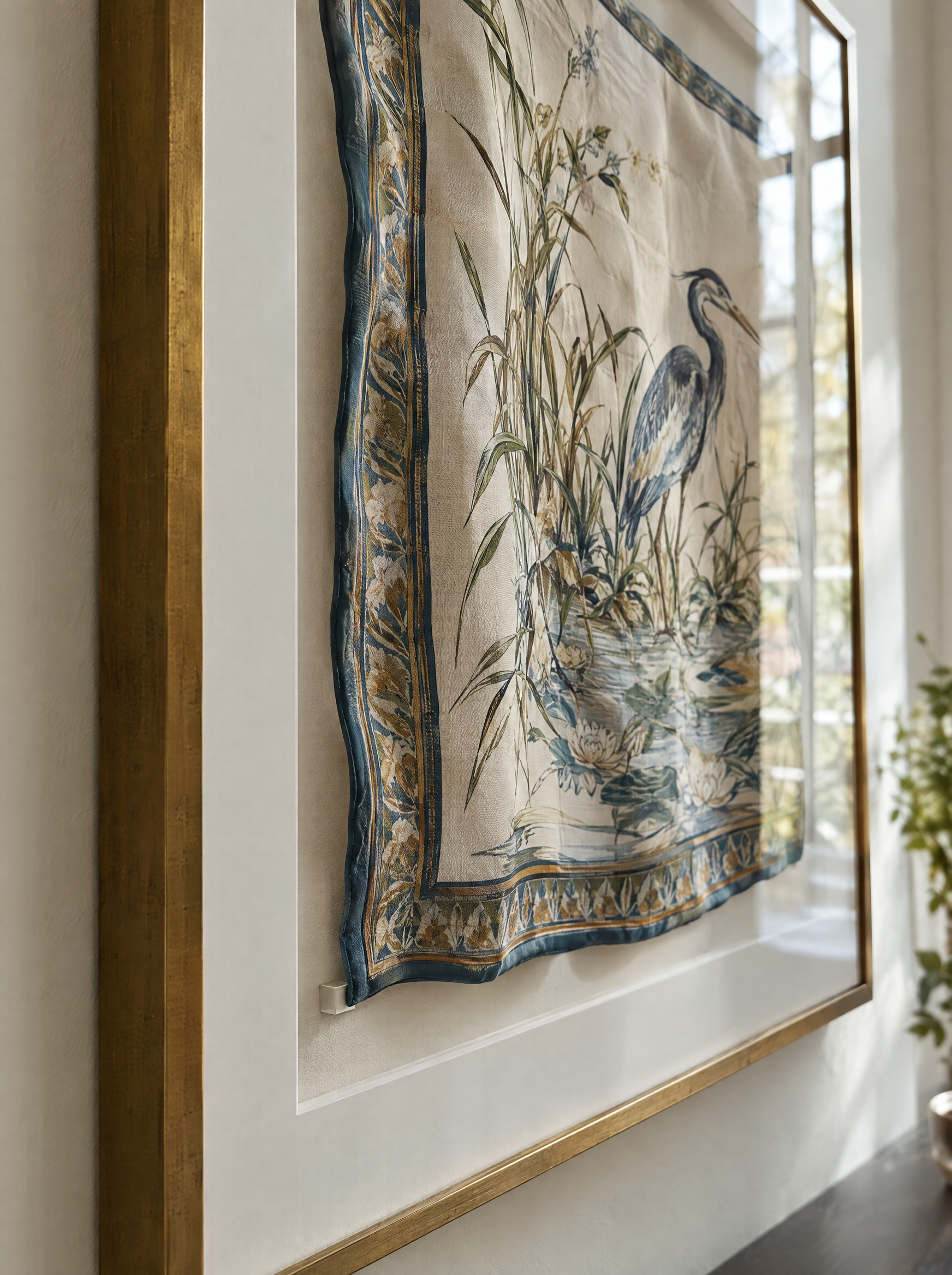
Avoid gluing or taping directly to the fabric, as adhesives will cause discoloration and weaken the silk over years. The two primary safe mounting options are float mounting and sewn mounting. Float mounting secures the scarf via acid-free corner tabs or hinges made from archival materials without any adhesive on the scarf itself, allowing the material to rest naturally within the frame.
Sewn mounting, a technique often preferred for valuable or heirloom scarves, uses fine stitching with silk or polyester thread to attach the fabric to an acid-free backing board. This method requires expertise to prevent tension or distortion but offers more secure long-term stability. Discuss with your framer which method suits your scarf's condition, size, and sentimental value.
Selecting Framing Materials: Acid-Free, UV Protection, and Fabric-Friendly Options
Silk is vulnerable to acids and UV light, so choosing archival quality materials is non-negotiable. An acid-free, lignin-free mat board and backing protect the scarf from chemical deterioration. Avoid regular cardboard or foam board, which emit harmful acids over time.
Glazing should be UV-filtering glass or acrylic to shield the silk from harmful rays that fade colors and weaken fibers. Acrylic options are lighter and less fragile but may scratch more easily; museum-grade glass offers superior clarity and durability but can be heavier. Your framer can help balance these factors based on frame size and hanging location.
What to Bring to Your Framing Consultation in Greenwood Village
Bring the silk scarf carefully folded in acid-free tissue paper to prevent new creases or abrasion. If possible, show photographs of where and how you intend to display the piece to help the framer recommend appropriate materials and mounting methods considering local lighting and humidity.
Be ready to discuss the scarf’s provenance, age, materials, and any existing damage such as stains or loose threads. This information helps frame specialists at Masten Fine Framing advise whether additional conservation steps are needed before framing.
Common Framing Mistakes to Avoid with Silk Scarves
One frequent error is using pressure-sensitive adhesives or double-sided tape directly on the fabric, creating discoloration or fabric breakdown that is irreversible. Another is failing to use UV protective glazing, resulting in faded colors within months if hung near windows.
Third, relying on tight stretching or excessive mounting tension can distort the silk weave, causing permanent creases or warping. Finally, overlooking the climate where the framed scarf will hang—like avoiding bathrooms or rooms with large temperature fluctuations—can accelerate deterioration. A qualified framing professional in Greenwood Village can guide you around these pitfalls.
Balancing Aesthetics and Preservation: Design Considerations
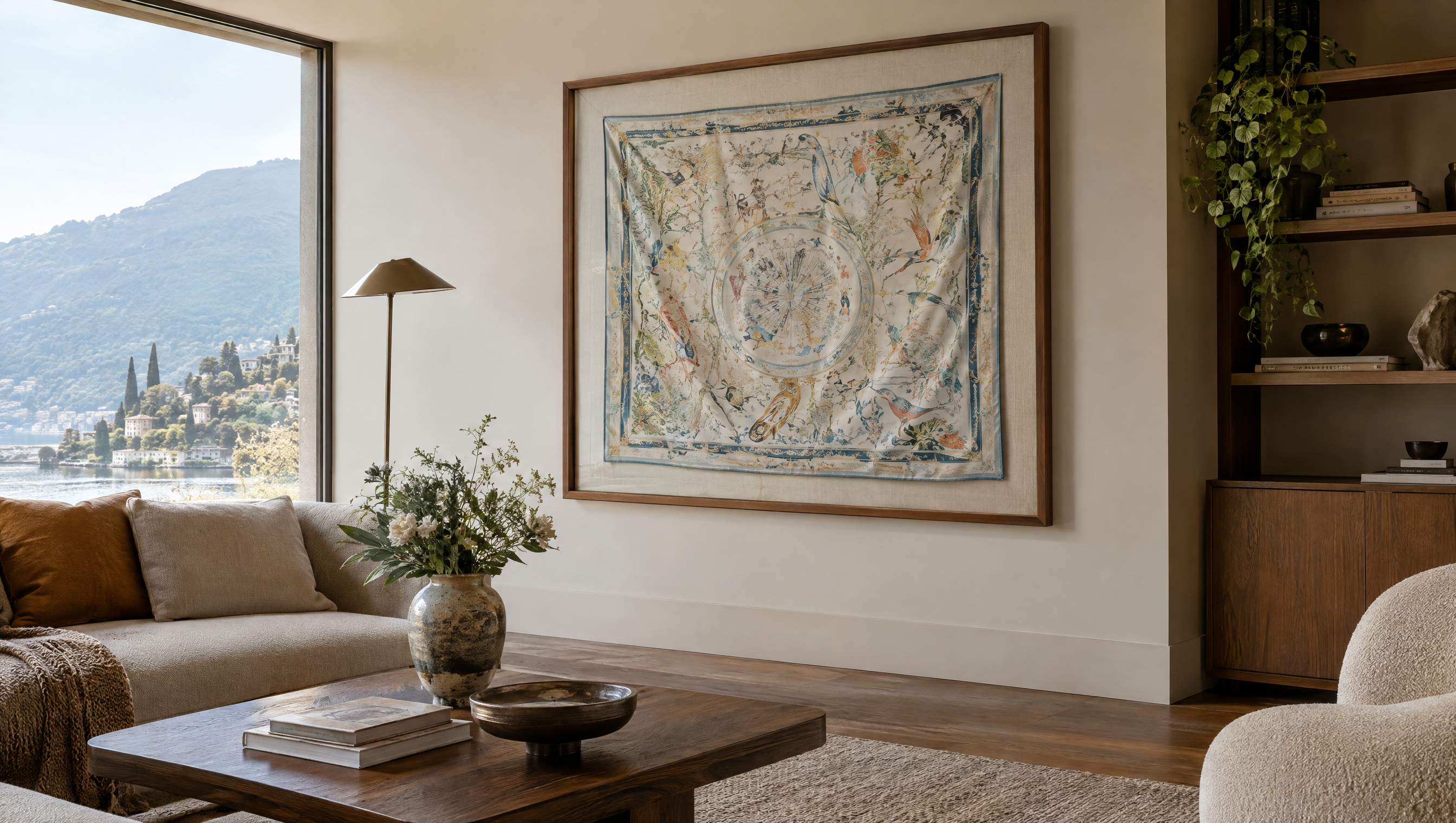
When framing a silk scarf, the goal is to highlight its beauty without compromising preservation. Neutral or soft-colored mats that complement the scarf’s colors without overpowering it are ideal. Deeper mats create visual space preventing the fabric from pressing against the glass, reducing condensation risks.
Consider a shadowbox-style frame for added depth and ventilation, which helps maintain fabric condition over the long term. Masten Fine Framing can customize virtually every element—frame wood, finish, mat style—to your aesthetic preferences while prioritizing archival safety.