Understanding the Goal: Enhancing, Not Overpowering
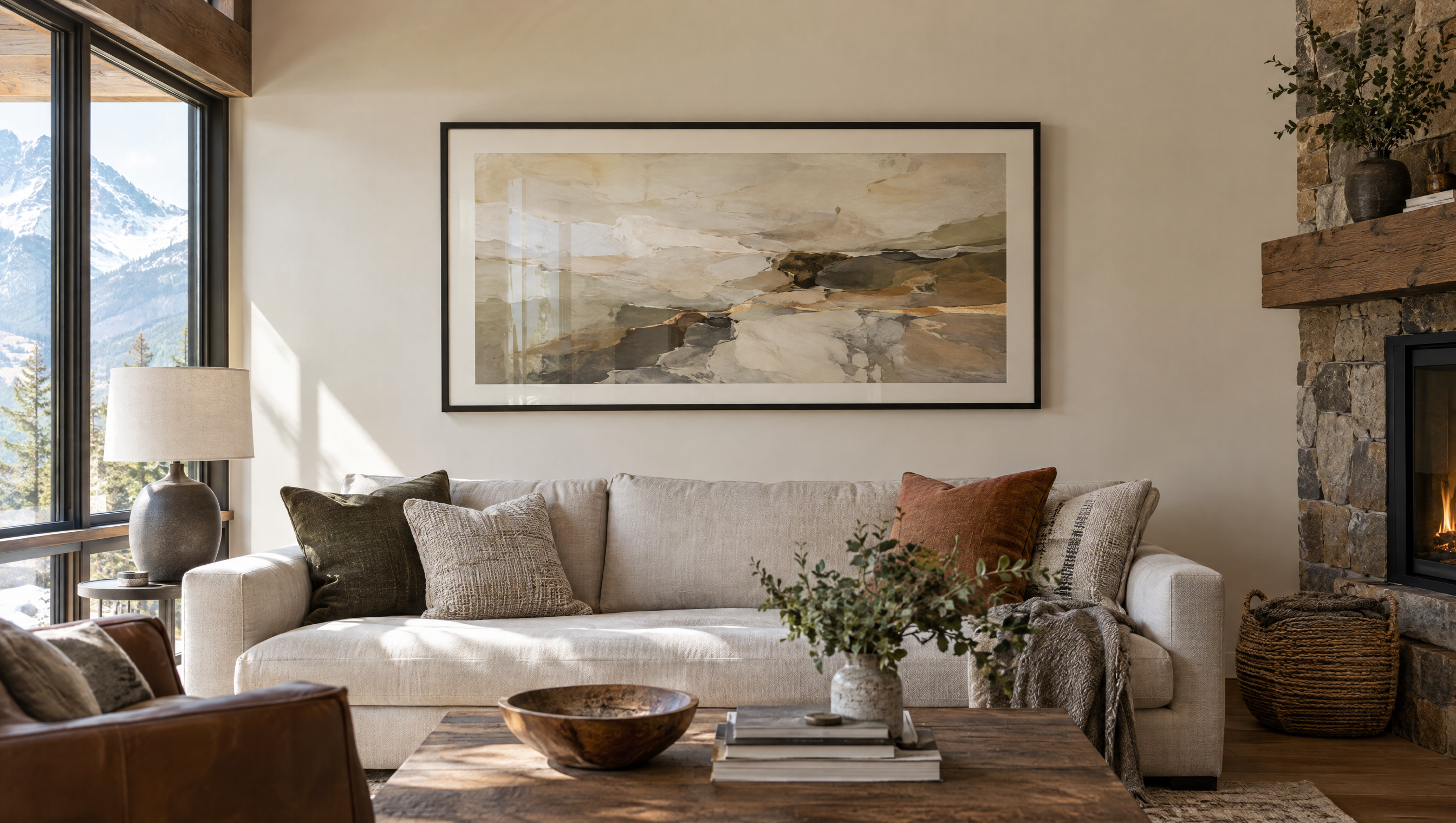
The primary objective when framing abstract art is to complement the artwork rather than compete with its visual language. Abstract pieces often rely on color, texture, and form to convey emotion or concept. A frame that is too bold or complex can distract the eye and dilute the artwork’s intended impact.
Consider the artwork's scale and visual weight before selecting frame elements. Minimalist art often benefits from understated framing—such as thin profiles, neutral colors, and simple materials—while more textural or vibrant pieces might handle slightly more substantial frames without losing focus.
Material Choices: Finding the Right Balance
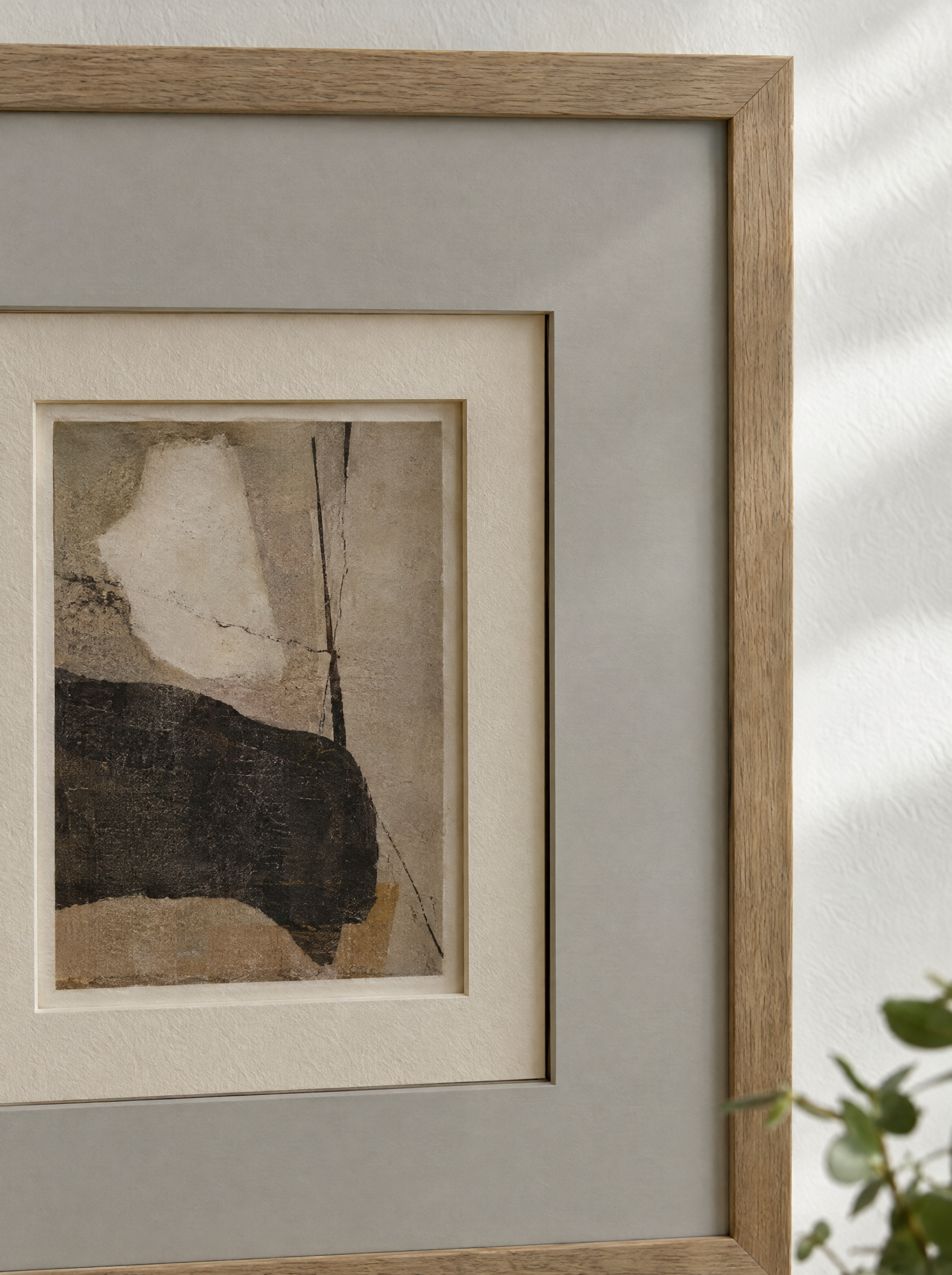
Wood frames provide warmth and versatility, but their finishes should be carefully considered. For abstract art, opting for natural or matte finishes helps maintain subtlety. Glossy finishes or overly ornate moldings introduce visual noise that can steal attention.
Metal frames, particularly aluminum, offer a clean, contemporary look that suits many abstract works. They typically have a thinner profile and can be anodized in neutral tones like black, white, or silver. This can help maintain focus on the artwork. Glass or acrylic glazing should be chosen for protection without glare, using museum-grade anti-reflective options when possible to preserve vibrant colors and subtle details.
Matting Considerations: When and How to Use Mats
Mats can provide breathing space around an abstract piece but must be chosen cautiously. An overly wide or brightly colored mat can overpower the artwork and distract from its composition. Neutral or off-white mats are safest for most works, though some contemporary abstract art benefits from a narrow black or charcoal gray mat for definition.
The mat's thickness and texture can also influence perception. Acid-free, archival mats are essential to protect the artwork over time, especially if it is on paper or canvas board. Additionally, a floating mat technique can create a sense of elevation and focus, particularly effective if the piece is on thick paper or panel.
What to Bring to Your Framing Consultation at Masten
Bring a high-quality photo of your artwork and, if possible, your art’s dimensions and environment details—lighting, wall color, and other decor elements where the piece will hang. This helps frame specialists recommend options suited to your specific circumstances.
Also, prepare to discuss your preferences for frame finish, budget constraints, and artwork type (print, original painting, mixed media, etc.). Sharing how you envision the artwork’s role—does it anchor a room or subtly complement other decor?—will guide the framing pros in Greenwood Village in tailoring solutions that honor the piece.
Common Framing Mistakes to Avoid
Avoid frames that are overly ornate or heavy relative to the artwork, as they tend to steal focus from abstract compositions. The frame is not the centerpiece; it is the stage for your art.
Selecting colored mats or frames that clash with the artwork’s dominant hues can create visual dissonance, breaking the harmony needed for abstract works to resonate.
Overlooking archival-quality materials risks long-term damage. Acidic mats, poor-quality glazing, or wood that off-gasses can lead to yellowing, fading, or warping.
Neglecting the viewing environment during selection can result in a framing choice that looks great in the shop but jars with your home's lighting or style.
Tradeoffs: Customization Versus Simplicity
Custom framing at Masten enables sculpting the frame details precisely to your artwork and space, but increased customization can raise costs and complicate decision-making. Striking a balance between personal expression and simplicity ensures your artwork stays the focal point.
Simplicity—in frame design, material, and matting—generally maximizes versatility, allowing the piece to adapt across changing interiors over time. However, some avant-garde abstract works may benefit from frames that echo motifs or colors subtly, creating a dialogue between frame and art without overpowering.
Understanding these tradeoffs with your framer supports informed decisions. Masten’s expertise in Greenwood Village blends technical knowledge with aesthetic sensitivity, guiding you through these nuanced choices.