Understanding the Role of Commercial Picture Framing in Office Environments
In office spaces, art isn’t just decoration; it’s a statement of company culture and professionalism. Commercial picture framing must reflect this by ensuring artwork is displayed with durability, consistency, and relevance to the space's design. Unlike residential framing, commercial framing often requires materials and finishes suited to higher-traffic environments with different lighting and security considerations.
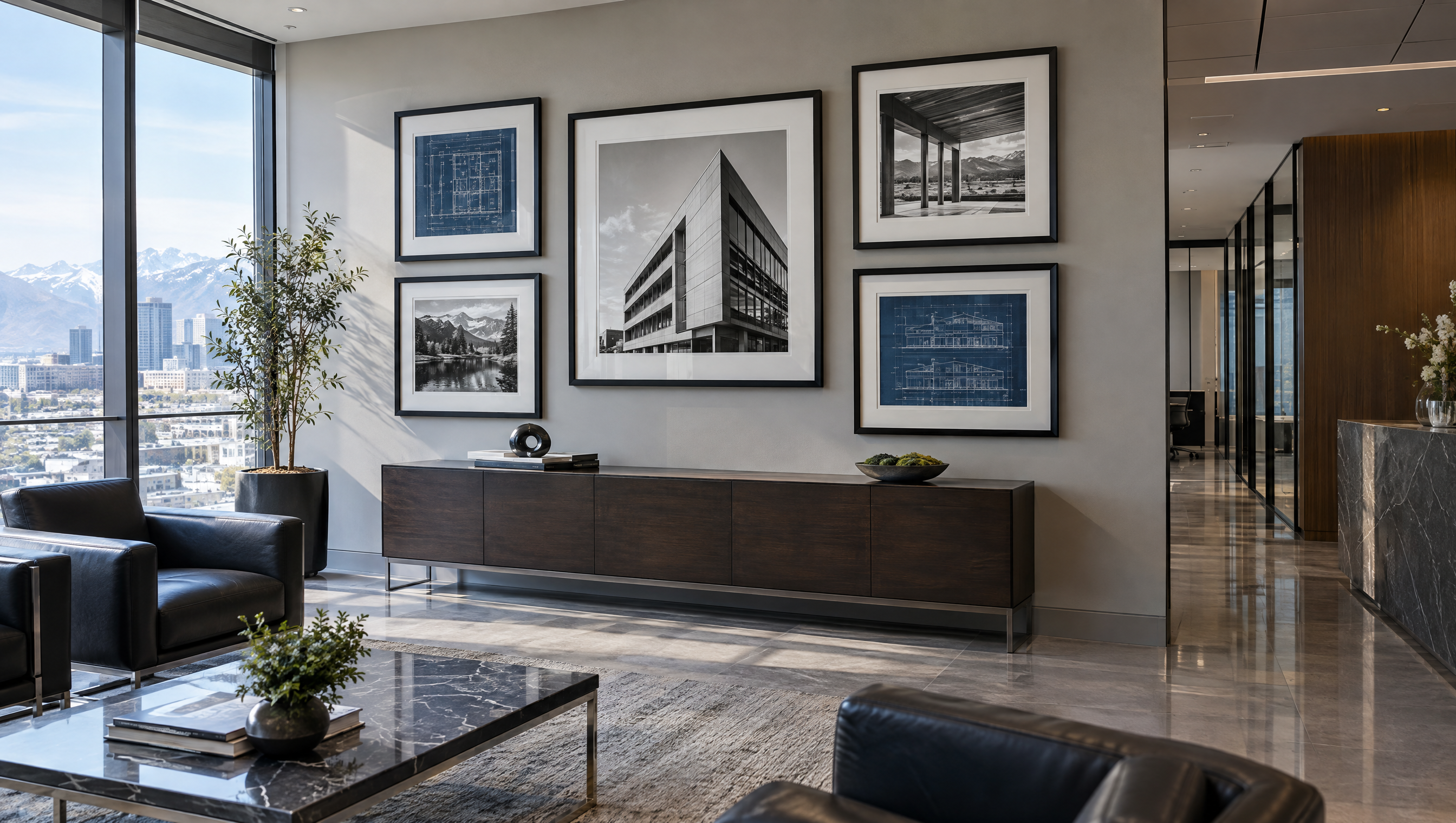
When planning your office art collection in Greenwood Village or anywhere, consider how the frames contribute to a unified aesthetic that complements your brand colors, furniture, and architectural details. A cohesive collection helps tie disparate pieces into a thoughtful narrative instead of a random assortment.
Key Decisions: Frame Style, Materials, and Glazing Options
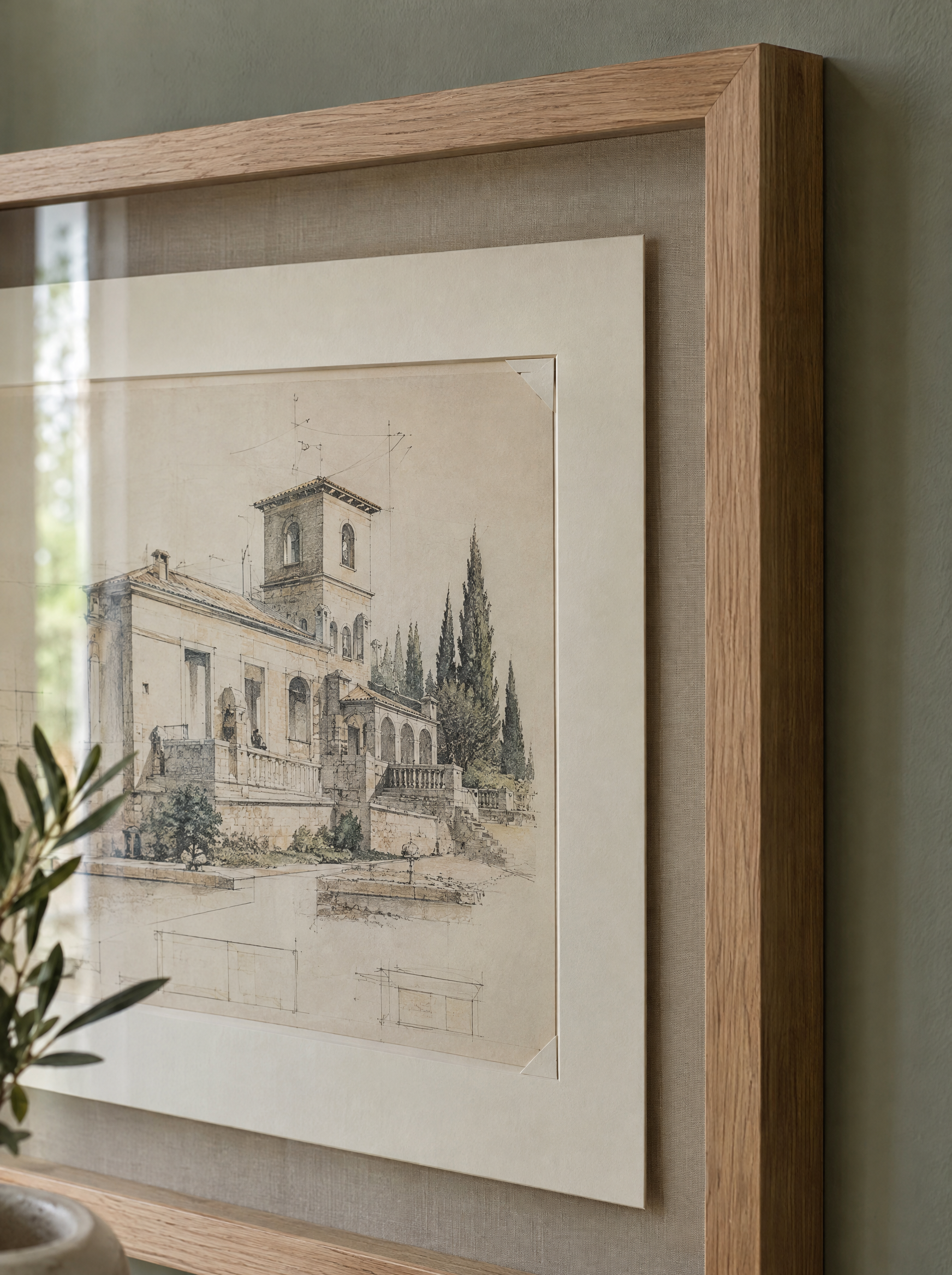
Frame style sets the tone of your office collection. Sleek metal frames in black, silver, or gold are modern and professional, fitting many corporate environments. Wood frames can add warmth and richness but vary widely by finish and grain. Selecting consistent frame colors or textures for all pieces, or strategically grouping frames by similar themes, simplifies cohesion without making each piece identical.
Materials matter both for aesthetics and durability. Metal is often sturdier and easier to clean, while wood offers a tactile quality. Sustainable or reclaimed frame materials can align with eco-conscious brands.
Glazing (the glass or acrylic covering the artwork) protects from UV damage and reduces glare. Commercial environments benefit from museum-grade or UV-protective glass to prevent artwork fading under fluorescent or sunlight exposure. Acrylic options are lighter and shatter-resistant but may scratch more easily.
Preparing for Your Framing Consultation: What to Bring and How to Decide
Prepare by gathering all artwork intended for framing, including dimensions and paper or canvas types if possible. Photos and measurements of your office walls—lighting conditions, paint colors, and furniture nearby—help framing experts recommend styles that will fit and enhance the space.
Be ready to discuss your company’s brand guidelines, preferred color palettes, and the tone you want your office to convey, such as formal, innovative, or welcoming. Deciding on which art to include upfront streamlines the framing process and avoids style conflicts later.
Ask about the timeline and installation services to ensure your framed pieces arrive and mount with minimal disruption to your workspace.
Common Tradeoffs and How to Navigate Them
Cost vs. quality is always a consideration. Investing in high-quality materials and glazing pays off with longevity and reduced maintenance, but budget constraints mean making strategic choices—such as using premium framing on flagship pieces and more economical but still consistent options elsewhere.
Consistency vs. variety can be tricky. Too much uniformity can feel bland; differing frame styles risk visual chaos. Grouping artwork by theme, size, or location and varying frame finishes within a limited palette can maintain balance.
Weight and safety matter in busy office hallways or public areas. Lightweight acrylic glazing and metal frames reduce hazards while still delivering a premium feel.
Three Non-Obvious Mistakes to Avoid
First, don’t underestimate light exposure. Even indoor lighting can fade certain prints over time if not protected with UV glazing.
Second, avoid framing choices based solely on trendiness that may quickly age or clash with evolving office interiors. Timeless materials like classic metals and natural woods generally age better.
Third, don’t overlook the importance of professional installation. Poor hanging methods can damage artwork and create uneven displays that detract from the collection's impact.
Choosing a Commercial Framing Partner in Greenwood Village
Select a framing service with proven expertise in corporate projects and customizable solutions tailored for office spaces. Local providers like Masten Fine Framing understand the specific needs of businesses in Greenwood Village, including durable materials and design consultation to match local aesthetic expectations.
A good partner will guide you through every step, from initial selection of frames and glazing to final installation, ensuring each piece contributes to a harmonious visual statement that aligns with your company’s identity.