Why Proper Framing Matters for Family Photographs
Family photographs capture moments that tell stories and preserve memories across generations. However, photographs are inherently delicate and susceptible to damage from light, humidity, and acidic materials. Without appropriate framing techniques, these treasured images can fade, discolor, or warp over time, diminishing their sentimental and aesthetic value.
Investing in high-quality framing not only enhances the look of a photograph but also provides critical protection. Using archival materials and UV-filtering glass or acrylic shields photos from environmental hazards. In a community like Greenwood Village, where seasons bring fluctuating humidity and sunlight exposure, these precautions become even more essential for maintaining photographic integrity.
Choosing the Right Materials: Conservation vs. Standard Frames
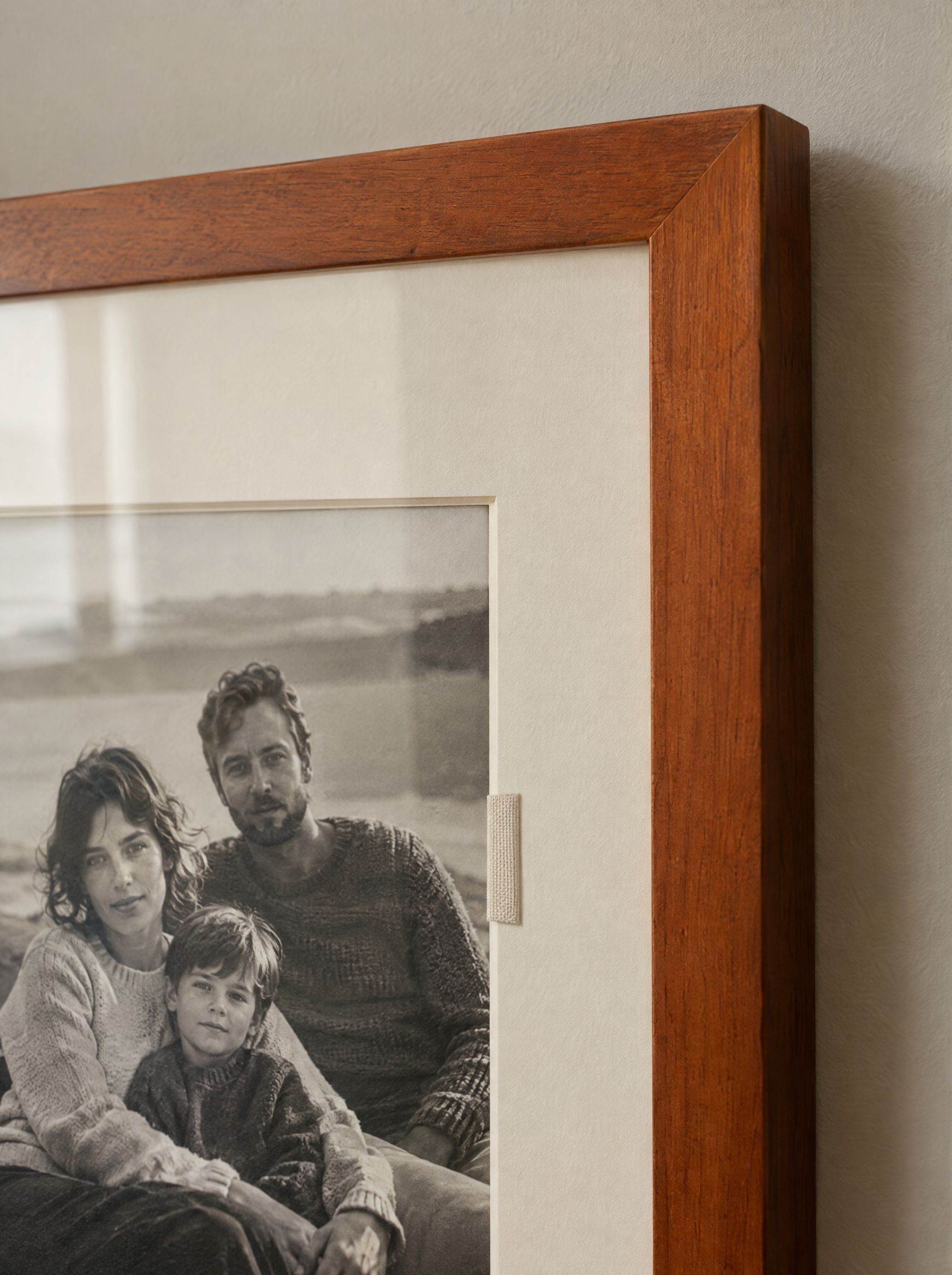
One common question customers ask involves the difference between conservation framing and standard framing options. Conservation framing incorporates acid-free mats and backing, UV-protective glazing, and sometimes specialty hinges or mounting methods that prevent deterioration. These materials minimize chemical reactions and physical stress, which can otherwise cause photos to yellow, stick to glass, or become brittle.
In contrast, standard frames may use materials that contain acids or do not block UV rays, potentially accelerating photo aging. Although standard frames can be less expensive and visually appealing, their protection level is often inadequate for valuable or irreplaceable family photos. Choosing between these options involves balancing budget, the photo’s significance, and the homeowner’s environmental conditions.
Understanding Environmental Factors and Placement
Where the framed photograph will be displayed should influence framing decisions. Direct sunlight can cause dramatic fading, so using UV-filtering glass and placing photos away from windows or bright light sources is advisable. Interiors with stable temperature and humidity levels reduce risks of warping or mold buildup.
Greenwood Village homes often experience seasonal dryness in winter and increased moisture during summer thunderstorms. A trusted frame shop can recommend appropriate materials and suggest protective techniques tailored to these local conditions. For instance, incorporating buffered mats that neutralize acids or adding moisture absorbers behind frames can be beneficial.
Customer Considerations: Questions and Tradeoffs
Customers frequently ask how to best preserve photos without sacrificing style. While clear glass offers crisp visibility, UV-filtering or anti-reflective glazing can protect photos but sometimes alters color perception or adds slight glare. Discussing these tradeoffs with a framing specialist helps to align expectations and aesthetic preferences.
Another concern is mounting the photograph to avoid damage. Traditional adhesives can harm photos over time, so conservation framing often uses hinging tape or photo corners that support photos without permanent attachment. These mounts allow for safe removal if needed and prevent distortion.
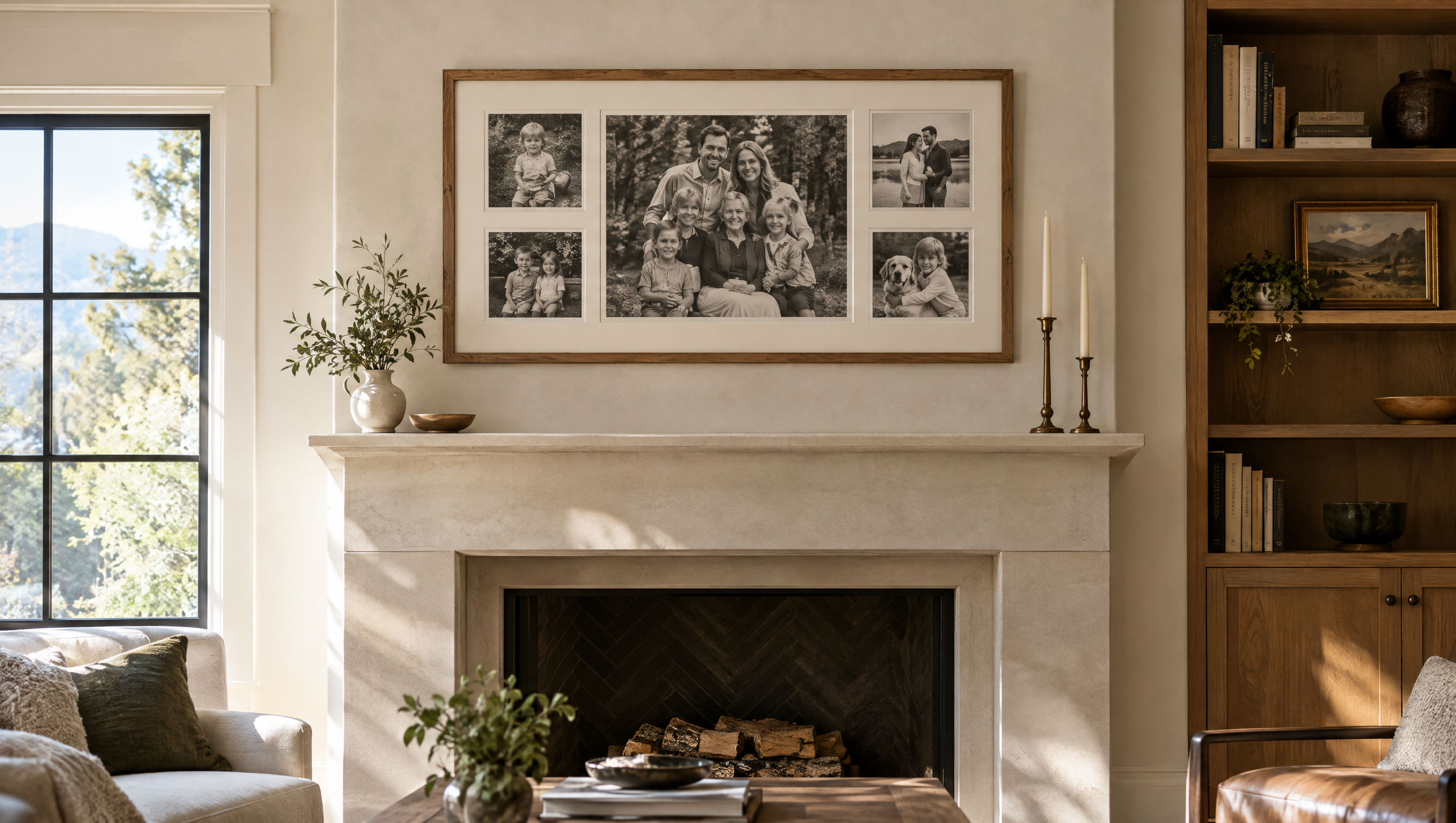
Budget, frame style, and the photo’s significance all factor into customizing a framing solution. Transparent conversations with expert framers guide customers towards choices that fit both preservation needs and home décor.
Maintenance Tips for Long-Term Photo Care
Once properly framed, family photographs still require gentle care to ensure longevity. Clean framed photos with a soft, dry cloth to avoid scratching the glazing. Avoid using harsh chemicals, sprays, or water which could seep into the frame and damage the photograph inside.
Check frames periodically for signs of moisture or warping, particularly in humid months. If framed photos are stored, keep them upright in stable, dry conditions away from direct sunlight. Following these simple practices complements the initial conservation framing effort and helps keep family memories vibrant for decades.