Protecting Prints and Limited Editions From Environmental Risks
Prints and limited edition artworks are particularly vulnerable to damage from light, humidity, and airborne pollutants. The first priority in framing is to mitigate these risks by using glazing materials with UV protection. Ultraviolet light can cause fading and color shifts that degrade the artwork’s visual impact and potentially its value. Opting for glass or acrylic with proper UV filtering is essential for long-term preservation.
Beyond UV protection, consider the environment where the framed piece will be displayed. Greenwood Village's seasonal changes mean varying humidity levels that can cause prints to warp, or mat boards to deteriorate if not acid-free. Using archival, acid- and lignin-free mats and backing boards reduces the risk of acid migration that would discolor or weaken the paper over time.
Choosing the Right Glazing: Glass or Acrylic?
Selecting between glass and acrylic glazing depends on factors like clarity, weight, durability, and cost. Museum-grade glass offers excellent clarity and UV protection but is heavier and more fragile compared with acrylic. Acrylic glazing, often lighter and shatter-resistant, can be ideal for larger formats, but some types can be prone to scratching if not properly maintained.
Anti-reflective coatings improve visibility by minimizing glare, a key consideration especially when displaying artwork under natural or strong indoor lighting. A professional framer can recommend glazing options based on your unique space and usage requirements, carefully balancing cost with protective performance.
Matting: Aesthetic Framing and Preservation Tool
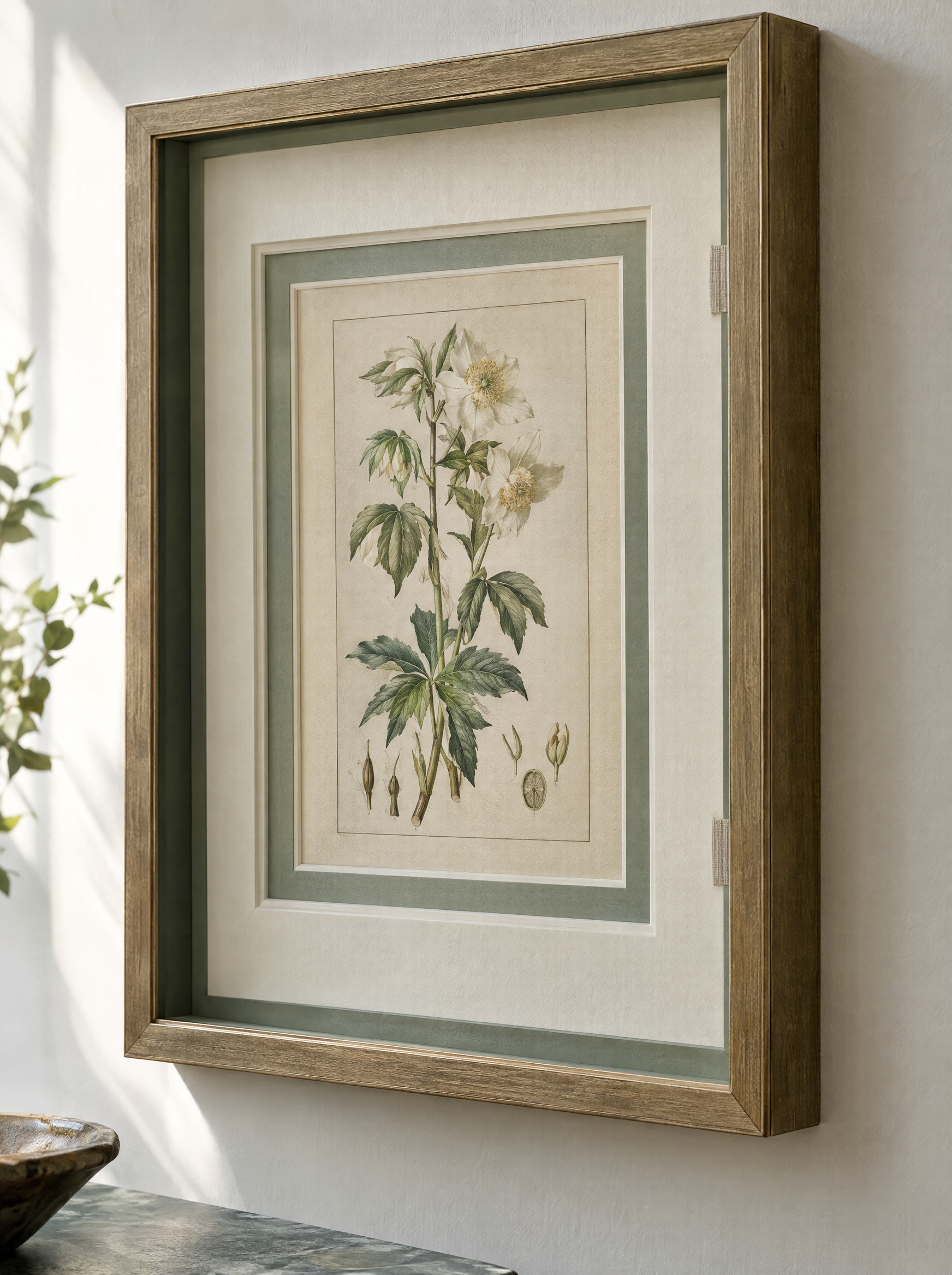
Matting is not only a design element that enhances presentation but also a functional barrier that prevents prints from sticking to the glazing and reduces exposure to humidity. Archival mats keep the work separated and supported using acid-free materials that protect the print edges from damage.
Color and width of the mat can influence the viewer’s focus and the overall look. Neutral mats tend to let the print stand out, whereas a colored or textured mat can complement the piece or match room decor. During your framing consultation, consider how different mats will harmonize with the print’s tones and your display environment.
Frame Style and Material: Balancing Protection and Presentation
Frame selection is a crucial decision that impacts both the artwork’s visual weight and its long-term protection. Wood frames provide a classic look, with options ranging from sleek modern to ornate traditional styles. Metal frames offer a contemporary minimalistic vibe and are generally more durable and resistant to environmental changes.
Besides aesthetics, the framing material should be free from acids or toxins that could affect the artwork over time. Professionals in Greenwood Village often stock a range of sustainable and artist-quality framing materials, ensuring your limited edition print is not only beautiful but also safeguarded.
Preparing for Your Framing Consultation: Questions to Ask and Information to Bring
A well-prepared framing consultation helps streamline the decision-making process. Bring the print or limited edition artwork, including any authenticity certificates or artist provenance. Be prepared to discuss where the artwork will be displayed, lighting conditions, and if the piece will be ever moved or transported frequently.
Ask the framer about their options for UV protection, mat board types, custom frame samples, and turnaround times. Understanding their recommendations on how to balance artistic intentions and preservation can guide you toward the best framing tailored to your art’s needs.
Local Considerations: Greenwood Village Climate and Display Conditions
Greenwood Village’s high-altitude environment and seasonal shifts mean framing choices should account for temperature and humidity variations. High-altitude UV exposure can be stronger, reinforcing the importance of quality UV glazing for any prints or limited editions.
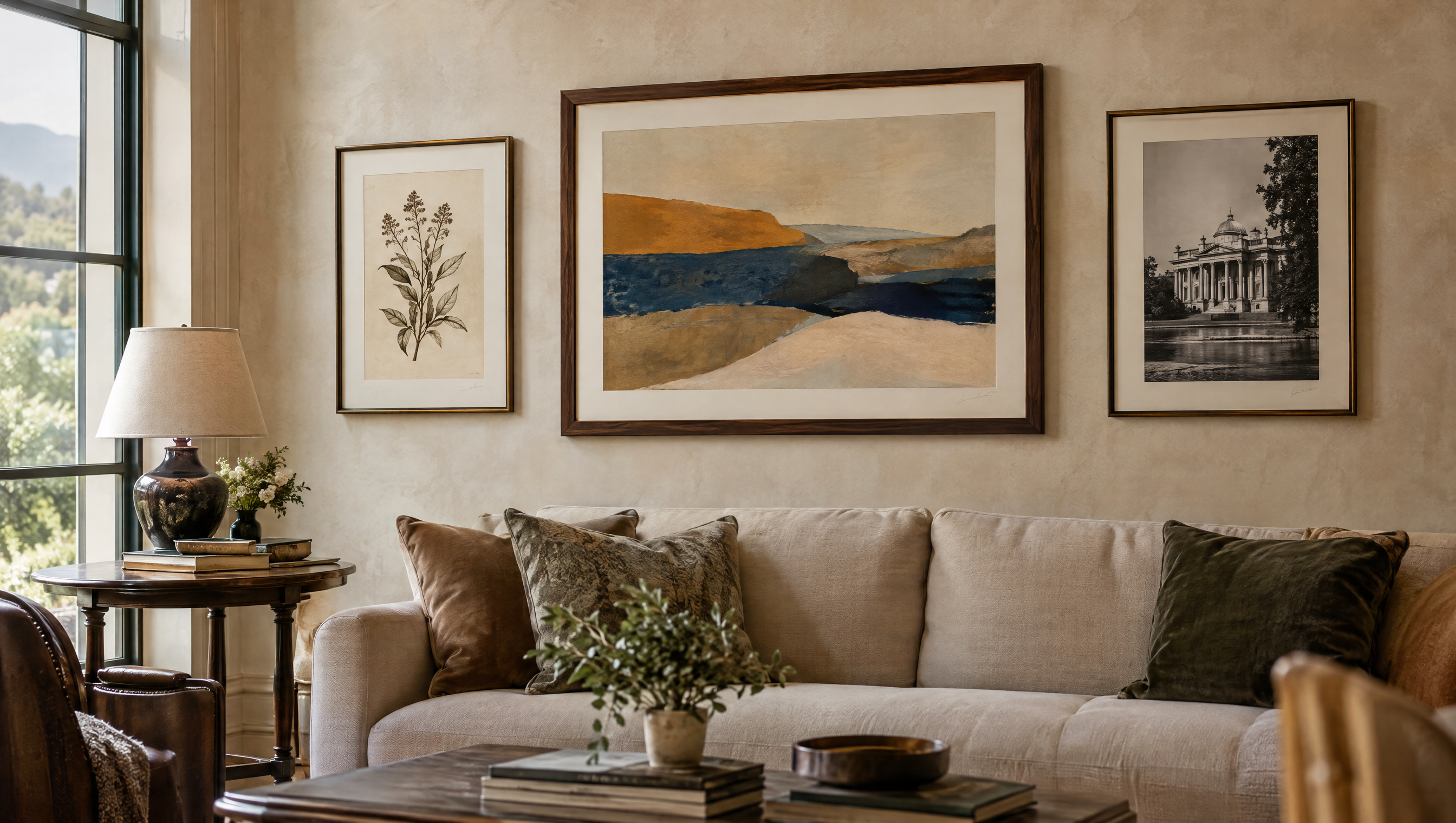
Also consider the display location: Direct sunlight through large windows or proximity to heating vents can accelerate deterioration. Professional framers in the area often recommend placement strategies along with framing solutions to protect your investment in art.