Choosing Between Shadow Box and Traditional Framing
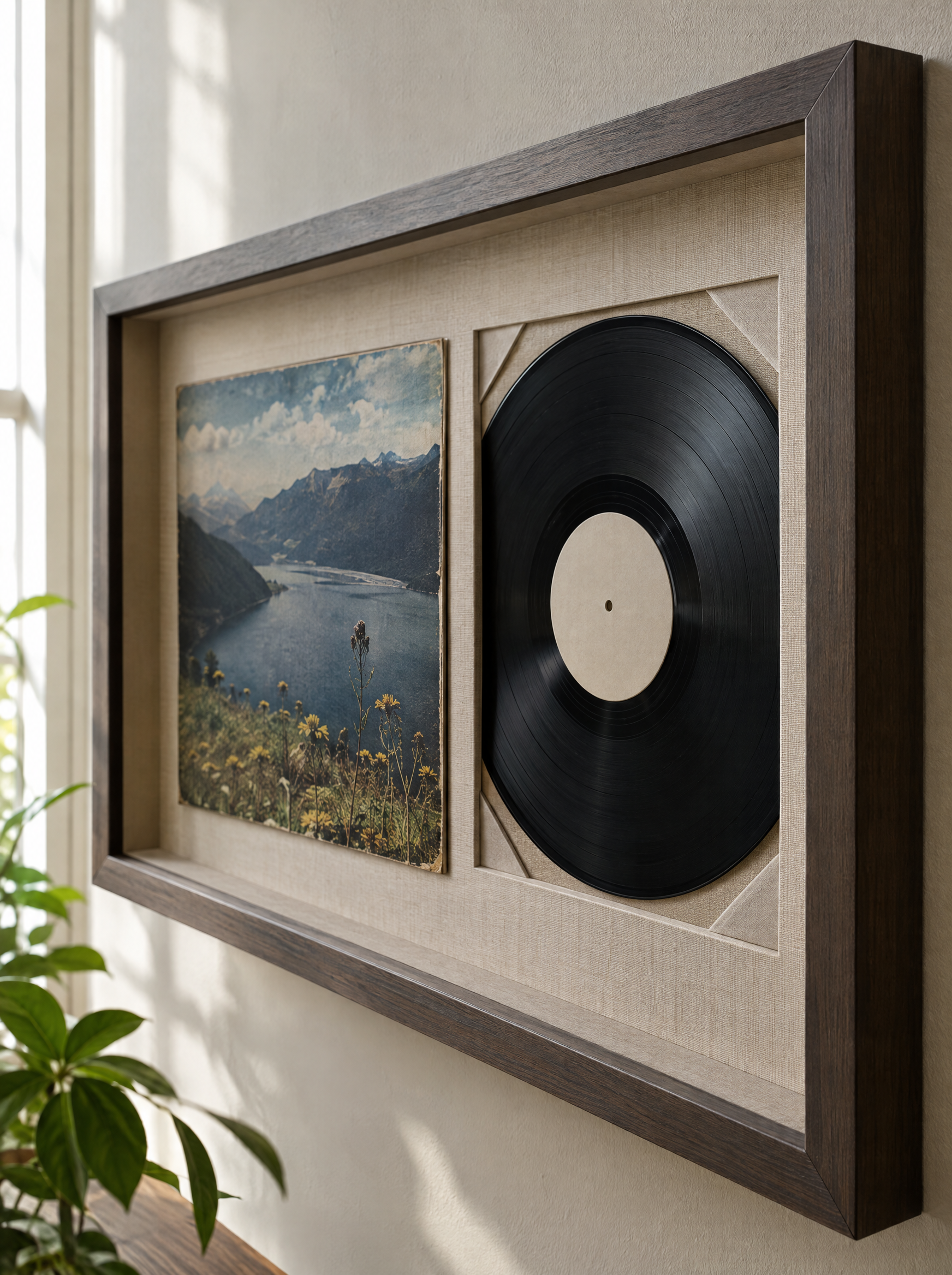
Displaying both an LP and its album cover requires more than a simple frame because the vinyl record’s depth and fragility demand extra space and protection. Shadow box framing is the preferred option as it creates enough depth for the record and allows both items to be mounted securely without pressure that could warp or damage them.
In contrast, traditional flat framing is generally too shallow to accommodate a record without bending or compressing it. Choosing a shadow box frame ensures that the vinyl retains its shape and the album cover sits flush against the backing, while also offering room for additional elements like liners or plaques. At Masten Fine Framing in Greenwood Village, expert consultation can help finalize this decision by reviewing your unique items and spatial constraints.
Material Considerations: Preservation and Aesthetics
Using UV-protective, acid-free mats and backing boards is essential to prevent fading and deterioration of the album cover over time. Vinyl records themselves are sensitive to heat and pressure; thus, the materials chosen for securing them must avoid adhesives on the record’s surface and allow airflow to prevent moisture buildup.
Glass or acrylic glazing options also play a key role: museum-grade UV glass offers superior protection but is heavier and more expensive, while acrylic is lighter and shatter-resistant but can scratch easily. Discussing these tradeoffs during your framing consultation can tailor a framing solution that best balances preservation, cost, and display quality.
Layout and Mounting Options for LP and Cover
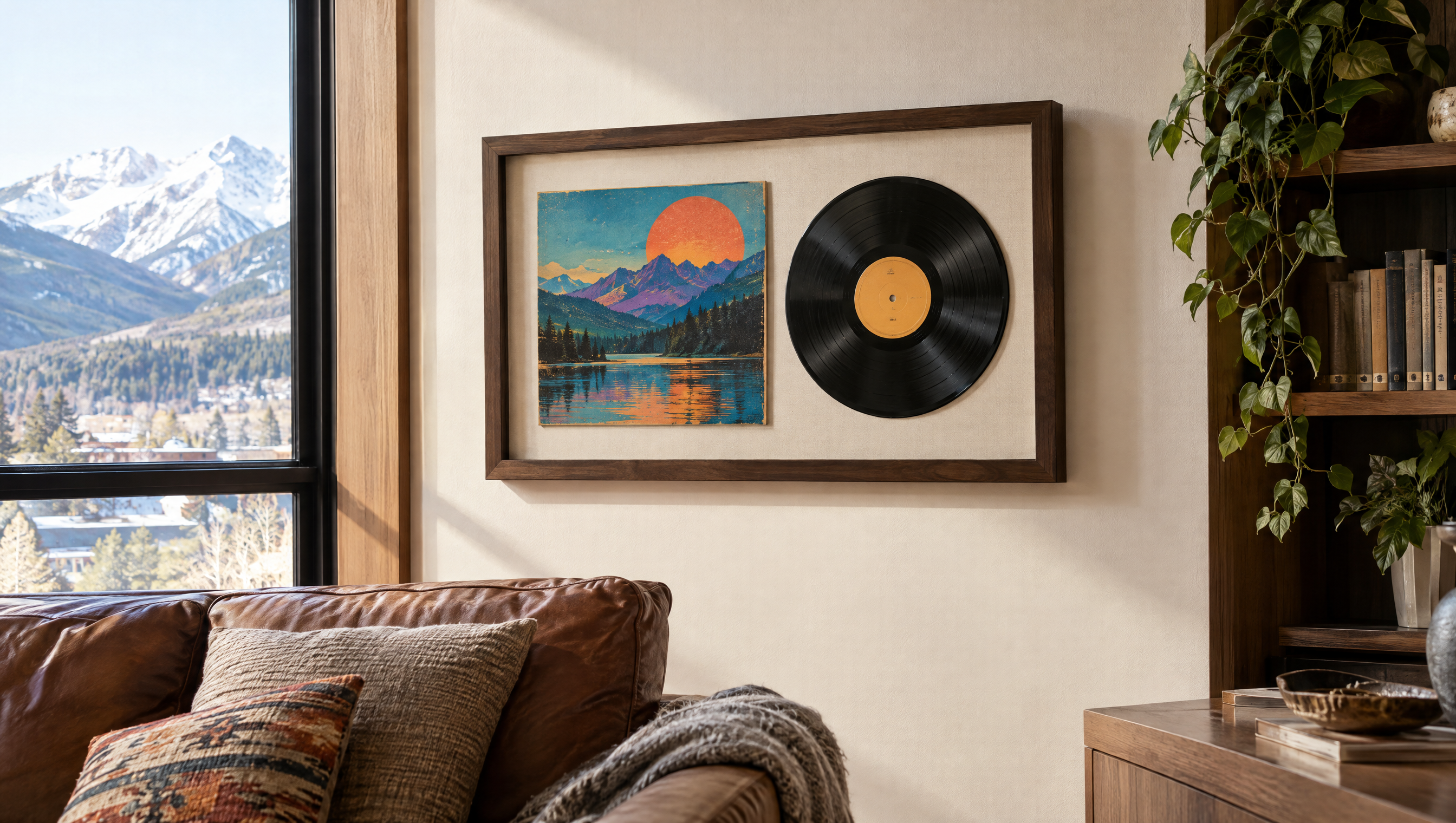
Determining how to arrange the LP and cover within the frame affects visual impact and space requirements. Some prefer side-by-side displays to showcase the cover art and the record equally, while others opt to center the album cover with the LP offset beneath or alongside it in a tiered layout.
Mounting methods must secure the LP without adhesives on the vinyl; common practices include using corner mounts, record clamps, or custom supports placed on the label or edges. For the album cover, acid-free hinges or removable mounts can be employed to avoid damage. Bring your LP and cover to the consultation to explore which layout suits your pieces and frame size best.
What to Bring to Your Framing Consultation
When visiting a framer like Masten Fine Framing in Greenwood Village, bring both the LP and its album cover, any original sleeves, and notes on the frame’s intended display location, such as proximity to sunlight or humidity levels. These details influence material and glazing recommendations.
Also consider whether you want to include any additional elements—such as liner notes, photos, or plaques—as these will affect the overall frame depth and backing choices. Clear communication about your budget and aesthetic preferences during consultation helps to tailor a solution that balances preservation, display goals, and costs effectively.
Common Framing Mistakes to Avoid
One frequent error is using adhesives or tapes directly on the vinyl or album cover, which can cause permanent damage or discoloration. Always ask about safe mounting techniques that protect your pieces.
Another mistake is underestimating the frame depth needed to accommodate the record and cover, leading to crushed or warped vinyl. Confirm measurements with your framer and choose a shadow box frame that fully fits the components.
Finally, neglecting UV-protective glazing invites sunlight damage. Even indoor displays can flood artwork with harmful rays, so investing in UV-filtering glass or acrylic is a crucial step for long-term preservation.
Comparing Glazing and Matting Options for Vinyl Displays
Selecting the right glazing varies in protection, weight, and clarity. Museum glass offers the clearest view and robust UV defense but can cost significantly more. Acrylic glazing reduces weight and shatter risk, great for larger frames, though it may attract dust and scratches.
Matting choices can enhance the album cover’s visual impact while providing a buffer against the glass. Acid-free mats protect from acidic deterioration, while color options and textures allow customization to complement the cover’s design. Discuss options with your framer to choose combinations that highlight your LP artwork effectively while safeguarding your investment.