Choosing the Right Glazing for Watercolors
Because watercolors are painted on paper, they’re particularly vulnerable to environmental damage such as light exposure and humidity. One of the most critical framing decisions is the glazing material. Traditional glass offers clarity and protection, but it can reflect light and cause hotspots. Museum-quality UV-filtering glass or acrylic significantly reduces ultraviolet rays that accelerate fading without compromising visibility.
Acrylic glazing is lighter and less prone to shattering than glass, which might be an important consideration if you plan to display the painting in a high-traffic area or need to ship the framed piece. However, acrylic can be more prone to scratching and sometimes attracts dust. Discuss your display conditions with your framer in Greenwood Village to determine the best glazing option for your specific artwork and environment.
Matting and Spacing: Protecting and Enhancing Your Watercolor
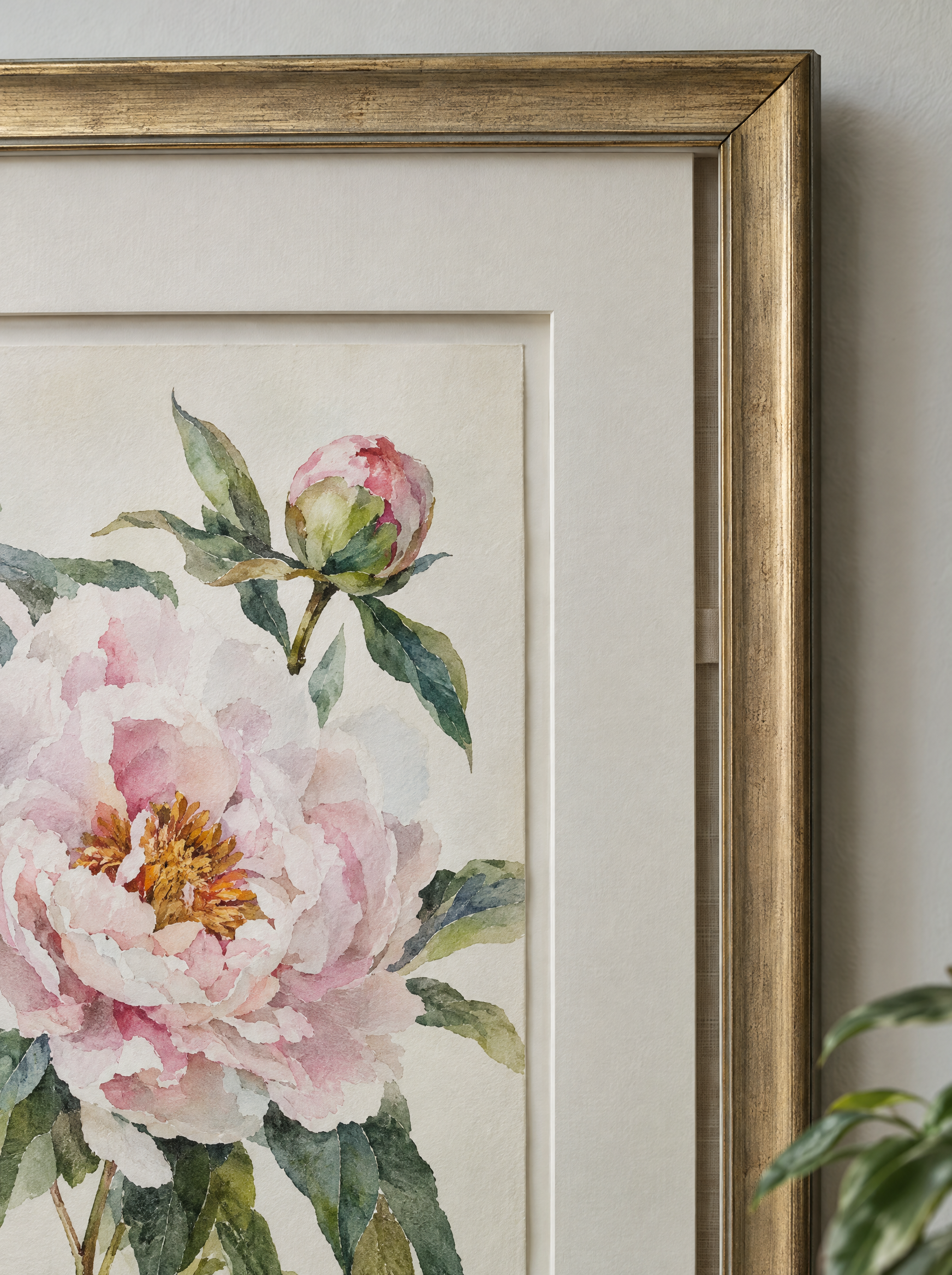
A properly selected mat not only adds aesthetic value but also prevents direct contact between the delicate watercolor paper and the glazing. Using an acid-free, archival-quality mat board is essential to avoid yellowing or deterioration over time. The color and texture of the mat can either complement or distract from the painting; softer, neutral tones typically work well to accentuate subtle washes of color without overpowering them.
Equally important is creating a suitable spacer or float mount that prevents the painting from sticking to or touching the glazing. Float mounting, where the painting appears to "float" on top of the backing, is a popular presentation for watercolors, especially if the paper's edges have original deckle or texture. This method requires deeper frames but offers an elegant way to showcase original edges or signatures.
Selecting Frame Style and Depth
Choosing the frame involves both stylistic and structural considerations. Watercolors often benefit from slimmer, lighter frames that don’t overpower the delicate subject matter. Materials can range from wood to metal, but the framing depth is paramount to accommodate matting and spacers while maintaining structural integrity.
Deep-set frames with a rabbet designed to hold thicker mounting and glazing assemblies are essential, especially if using float mounts or double matting. Discussing the frame profile with your framer will help ensure the frame supports the conservation needs of the artwork while providing the desired visual effect.
Mounting Techniques and Preservation Concerns
How the watercolor is mounted inside the frame has a direct impact on its longevity. Avoid direct gluing to mats or backings, as adhesives can cause irreversible damage. Instead, hinging with archival tape or using corner mounts allows the artwork to rest securely and be removed for conservation if necessary.
Humidity control inside the sealed frame is another often overlooked factor. A well-sealed frame combined with conservation-grade materials minimizes the risk of mold or paper warping. Bringing your framed watercolor to a professional like Masten Fine Framing in Greenwood Village ensures your artwork is handled with appropriate archival techniques tailored to the specific condition and medium.
Three Common Mistakes to Avoid When Framing Watercolors
First, never use regular glass or non-archival mats, which can accelerate fading and paper deterioration. Second, avoid tight, adhesive mounting that can warp or damage delicate paper fibers. Third, insufficient glazing clearance or no spacer often causes the painting to stick to the glass when temperature or humidity changes, potentially ruining the artwork.
Additionally, choosing overly ornate frames or mats in colors that clash with or overpower the painting can detract from the piece's natural beauty rather than highlight it. Consulting experienced framers familiar with watercolor conservation helps you sidestep these pitfalls and create a lasting presentation.
Preparing for Your Framing Consultation
When preparing to bring your watercolor to a framing specialist like Masten Fine Framing in Greenwood Village, gather information about the painting’s size, paper thickness, any visible damage, and desired display location. Consider whether the artwork has sentimental or investment value that heightens the need for archival framing.
Bring examples or inspirations if you have an idea of frame or mat styles you prefer. Be prepared to discuss lighting conditions and whether the framed piece will hang near windows or in rooms with variable humidity. This background helps your framer recommend the best materials and framing methods tailored for your painting’s preservation and presentation.