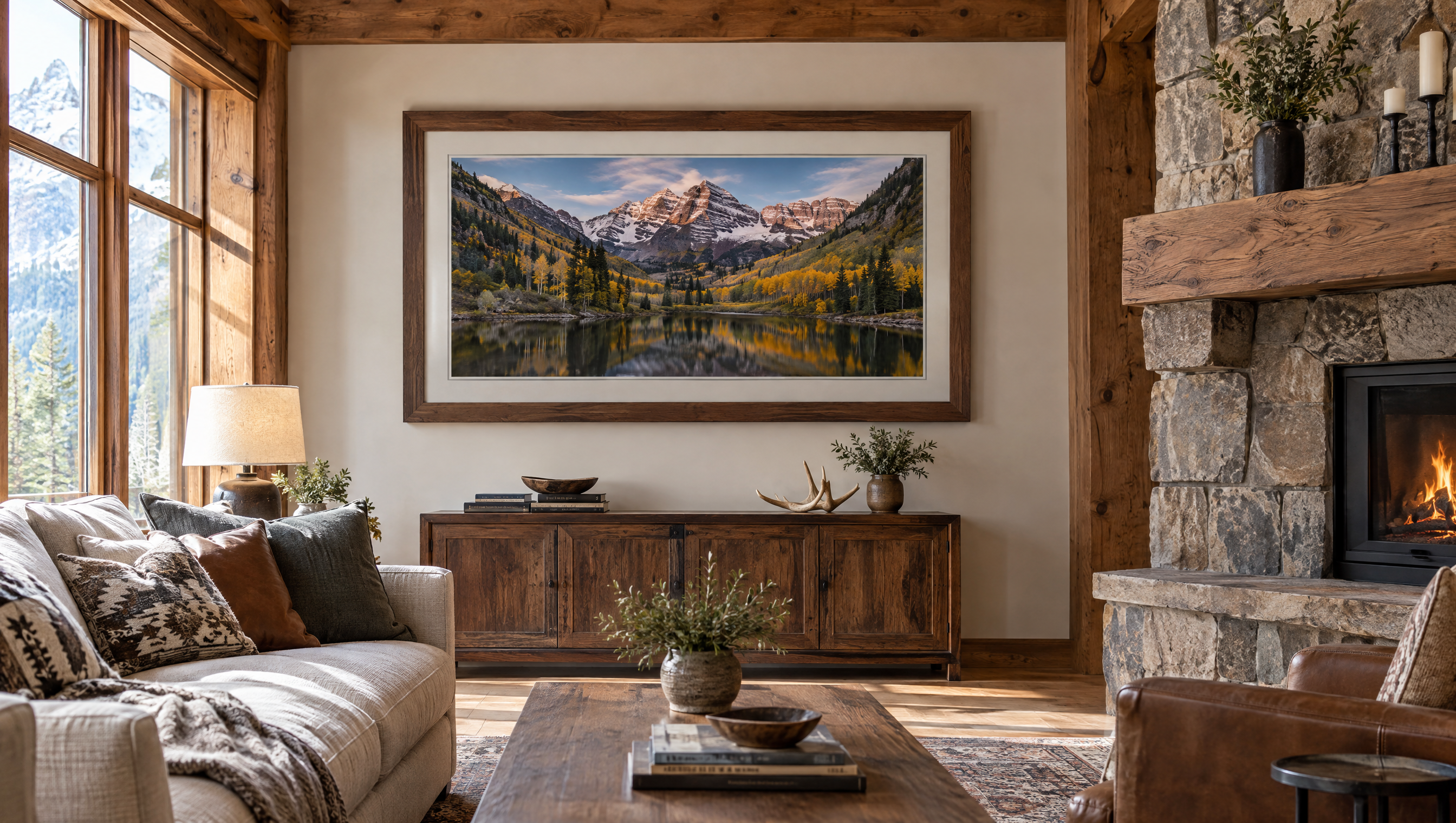
Understanding the Role of a Frame
A picture frame is more than just a border; it's an extension of the artwork itself. It defines the visual boundaries and can influence how the viewer perceives colors, textures, and overall composition. When chosen carefully, a frame highlights the best features of an artwork and can even change its mood or emphasis.
Additionally, frames serve a practical purpose by protecting the artwork from environmental damage such as dust, light exposure, and moisture. This protective role ensures your art remains vibrant and intact, particularly important in homes or offices around Greenwood Village where sunlight and seasonal changes can affect delicate materials.
Matching Frame Style with Artwork
The style of your artwork should guide the frame selection process. Traditional paintings often pair well with classic wood or gilded frames that echo the formality or period of the piece. In contrast, modern or abstract art might benefit from sleek, minimalist frames like metal or simple black wood to avoid distracting from the artwork’s bold or unconventional elements.
Consider the artwork’s color palette when selecting a frame. Frames in neutral tones usually complement a broader range of colors, whereas colored frames can either harmonize with or contrast the artwork intentionally. Avoid frames that compete with the artwork's colors or patterns, as this can reduce the overall visual impact.
Size and Scale Considerations
The size of the frame relative to your artwork is crucial. A frame that is too thin might look insubstantial next to a large piece, while an overly thick frame can overwhelm a small or delicate artwork. The width of the frame should support the visual weight of the art, balancing presence with subtlety.
Matting is another factor that affects scale. Mats provide breathing space between the artwork and frame, which can enhance focus and give the piece more prominence. Deciding on mat size and color should involve thinking about how much visual 'room' your art needs to feel defined yet approachable within your display space.
Material Options and Their Impact
Frames come in a variety of materials, including wood, metal, and synthetic composites. Each offers a distinct aesthetic and durability level. Wood frames provide warmth and tradition, metal frames offer a contemporary edge and sleekness, while synthetic options are sometimes chosen for budget-conscious or specialized design needs.
Material choice also affects frame finish and texture, which in turn influences how the artwork is perceived. For example, a rough-hewn wood might complement rustic or natural-themed art, whereas a smooth metallic frame could enhance minimalist or industrial artwork.
Considering Your Display Environment
The environment where your artwork will be displayed plays a significant role in frame selection. Rooms with abundant natural light, like those often found in homes around Greenwood Village, may require UV-protective glazing inside the frame to prevent fading. Additionally, consider how the frame’s style and color will fit with existing décor and furniture.
Think about wall color, room size, and lighting. Light-colored frames can brighten a dark wall, while darker frames can create a striking contrast on a lighter background. Ensuring the frame complements your room will help integrate your art into the space gracefully rather than making it feel isolated.
Tradeoffs and Questions to Ask Before Framing
Framing often involves tradeoffs, including budget, protection level, and style preferences. Ask yourself whether your priority is archival quality framing to preserve valuable pieces or a less expensive frame that can be easily swapped later. It's also important to consider the glazing options, such as glass or acrylic, each with different weight, glare, and protection characteristics.
Consult professionals, especially when framing valuable or sentimental art. They can help address questions such as what mat colors work best, which frame materials age well, or how to frame unusual artwork or three-dimensional pieces. Local framers in Greenwood Village can provide tailored advice suited to your climate and style preferences.