Understanding Shadow Box Framing and Its Advantages
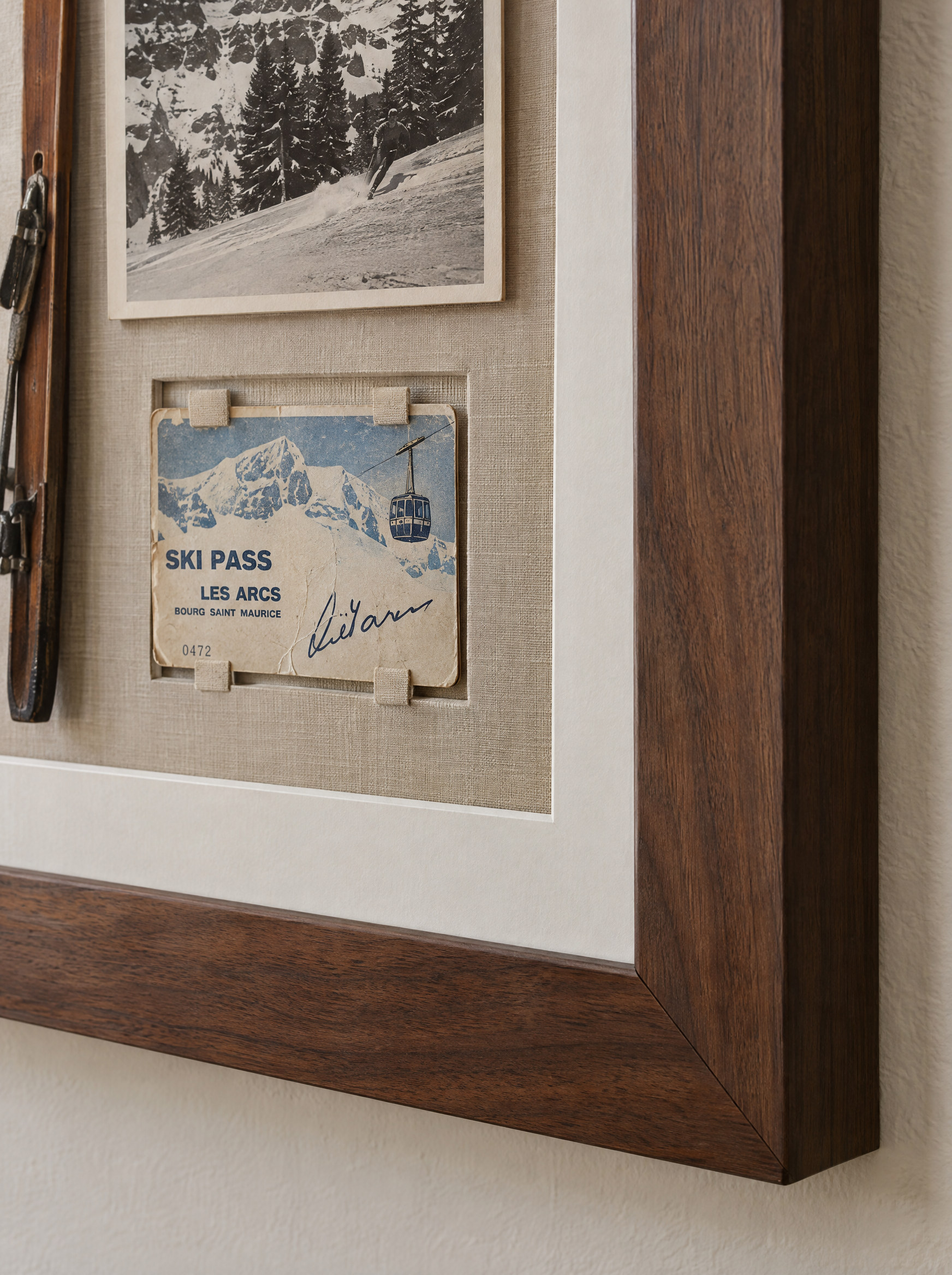
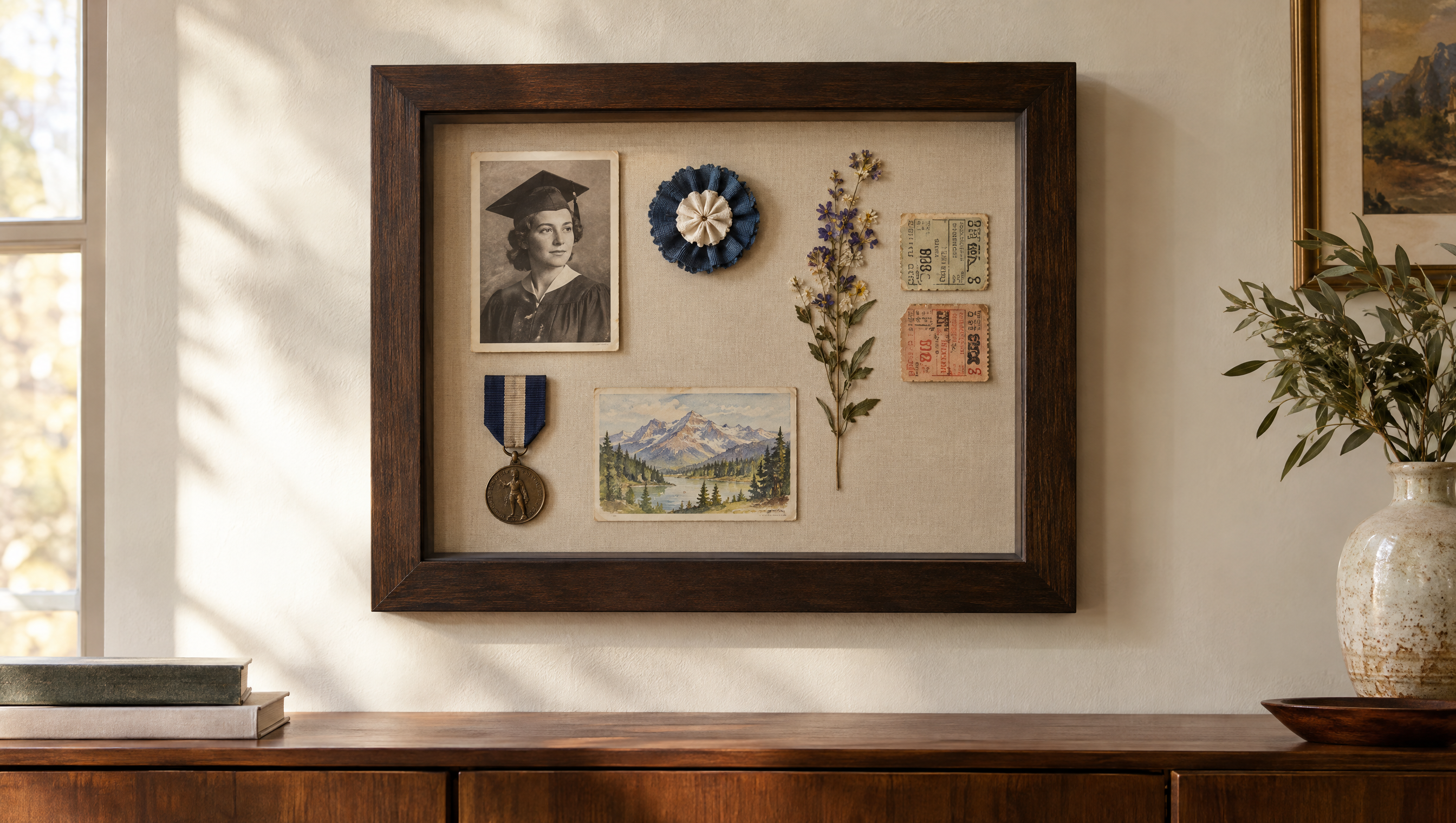
Shadow box framing differs from traditional framing by creating a three-dimensional display space that accommodates objects with depth, such as memorabilia, medals, textiles, or memorabilia. This type of framing provides both protection and an elegant way to showcase items that cannot lie flat. The extra depth also allows for creative layouts, layering objects to tell a personal story.
A well-planned shadow box not only preserves items from dust, UV light, and physical damage but also enhances their visual impact. Understanding the distinction between shadow boxes and standard frames is key before selecting materials and dimensions. Shadow boxes often feature a deeper rabbet (the space behind the glass), which should be tailored to the size and fragility of your objects.
Choosing the Right Size and Depth for Your Objects
Sizing the shadow box correctly is critical. The depth must comfortably accommodate the thickness of your objects without pressing them against the glass, which can cause damage or distortion over time. When planning, measure the tallest and widest items, allowing extra clearance to prevent crowding and facilitate aesthetic balance.
The frame dimensions should complement the size of the objects and the available display space. Oversized shadow boxes can overwhelm smaller keepsakes, while undersized frames might feel cramped or fail to highlight important details. During your consultation, bring your items to assess the proper size and explore different layout options.
Selecting Materials That Protect and Enhance Your Items
Archival-quality materials are essential to protect your meaningful objects from deterioration. Acid-free mats, UV-protective glass or acrylic, and wood or metal frames treated for longevity help maintain the integrity of your keepsakes. Discuss with your framer which glazing options best balance clarity, UV filtering, and glare reduction, especially for sensitive items like fabric or photographs.
Backing materials are equally important, as they provide support and prevent warping. Use neutral, acid-free fabrics or boards that won’t off-gas or discolor over time. For textile elements like jerseys or flags, mounting with sewing or specialized adhesives ensures both security and reversibility. Your framing specialist can guide you through these material choices based on the objects you want to display.
Designing the Layout: Storytelling Through Arrangement
The arrangement of objects within a shadow box affects how the story behind your collection is communicated. Consider grouping items by theme, chronology, or color coordination to create visual flow. The goal is to highlight each item’s significance while maintaining balance and harmony within the frame.
Using mats, liners, or separators can enhance contrast and define space around each piece, preventing visual clutter. Discuss potential design sketches with your framer to experiment with different placements. Remember, symmetry isn’t always necessary—sometimes asymmetrical or layered layouts better capture the dynamic nature of your collection.
Protecting Your Investment: Environmental and Installation Considerations
Once framed, it’s important to consider environmental factors like humidity, light exposure, and temperature fluctuations that can affect your shadow box over time. Masten Fine Framing in Greenwood Village recommends placing shadow boxes away from direct sunlight and moisture-prone areas to minimize fading and damage.
Professional installation with sturdy hanging hardware ensures the shadow box remains secure on your walls. Additionally, framing experts often offer advice about how to rotate or refresh your display periodically to preserve colors and materials. Planning for durability ensures your meaningful objects remain cherished for years to come.