Understanding the Basics of Canvas Framing
Stretched canvas artwork differs fundamentally from traditional paper or print pieces because it’s mounted on a wooden frame, often called stretcher bars, which provide support without backing. As a result, framing methods and materials must accommodate the depth and texture of the canvas while protecting the artwork’s edges and surface.
Unlike glass-framed works, canvases typically don’t require glazing because the paint on canvas is less vulnerable to contact or environmental factors. Instead, framing focuses on enhancing the artwork’s visual impact and providing structural protection, making careful frame selection essential.
Frame Styles: Floating Frames vs. Traditional Frames
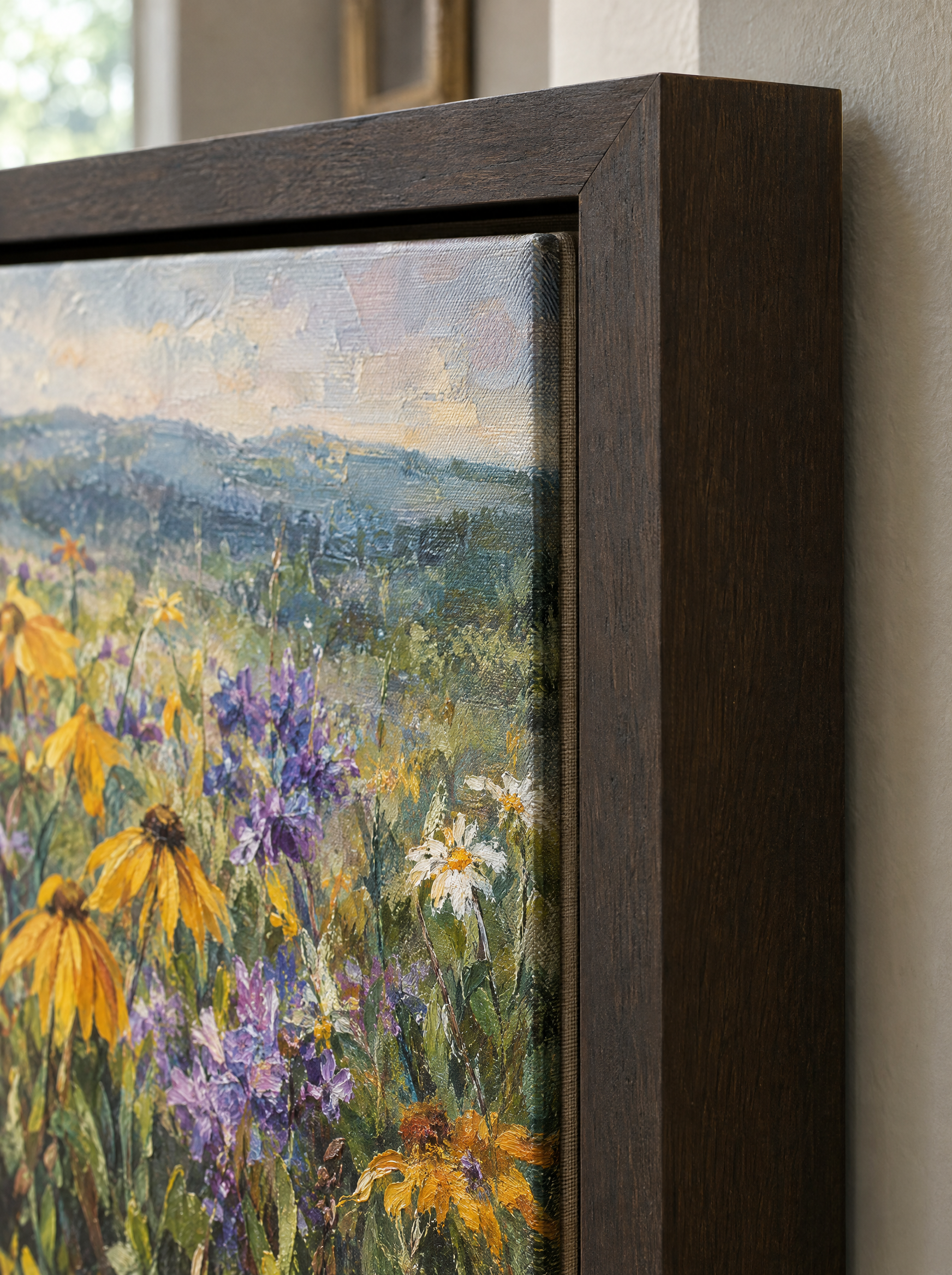
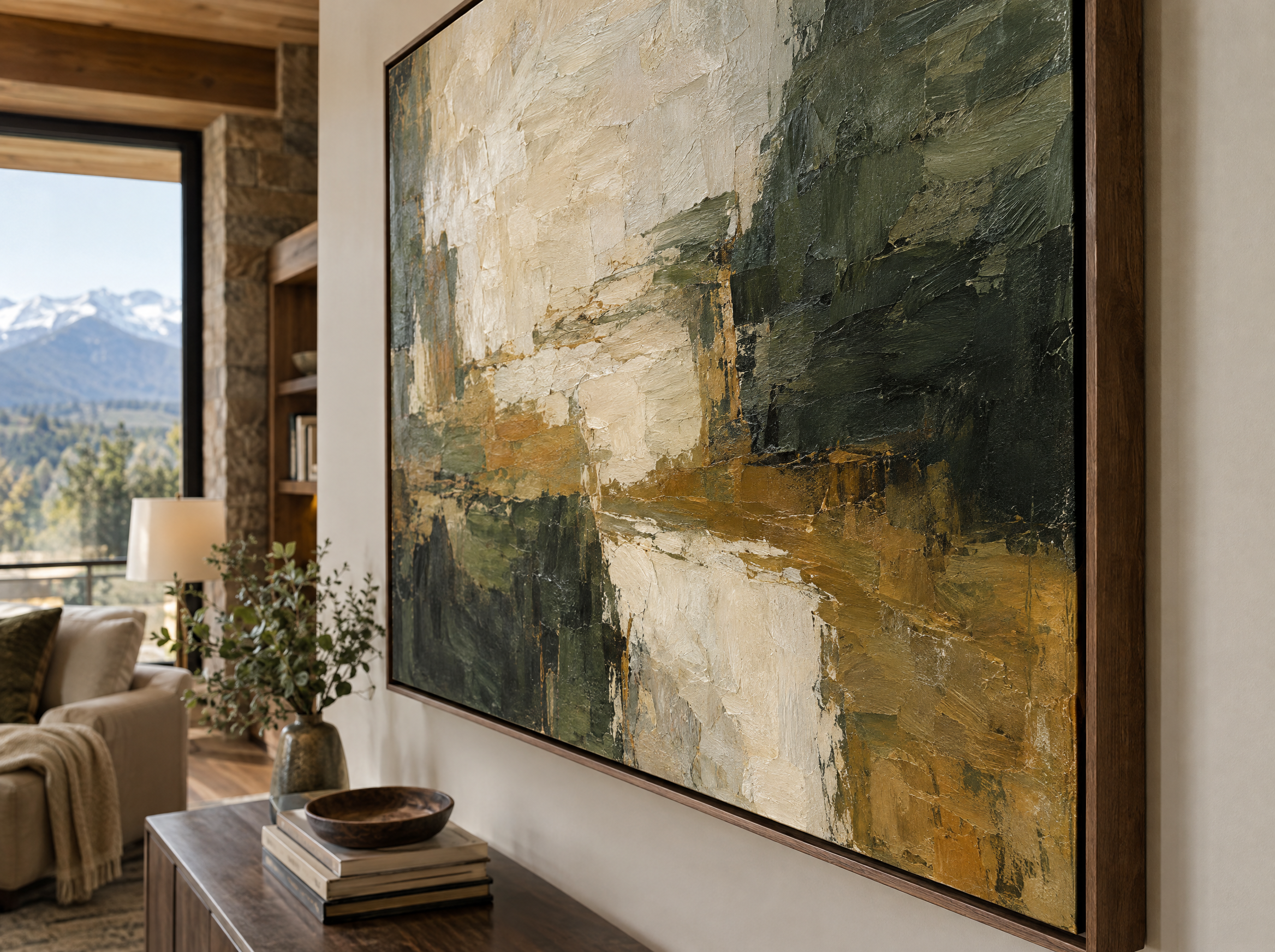
A popular choice for stretched canvases is the floating frame, which creates a gap between the canvas edges and the frame. This design highlights the canvas depth and gives the artwork a modern, gallery-style presentation. Floating frames are especially suited for thick canvases or pieces where the artist has painted around the edges, preserving the integrity of the artwork’s perimeter.
Traditional frames, often used with mats and glazing for paper art, can also be adapted for canvas but typically require a rabbet—a recess inside the frame—to house the stretcher bars. These frames present a more classic or formal look and are ideal when a frame’s style or color complements the artwork or room’s décor.
Material and Finish Considerations in Greenwood Village
Frame materials range from natural wood to metal and composite options, each bringing a distinct visual and practical advantage. Wood frames offer warmth and can be stained or painted to coordinate with interior design themes common in Greenwood Village homes. Metal frames deliver a sleek, contemporary look and are highly durable, often preferred for minimalist or industrial aesthetics.
When choosing finish options, consider how reflective or matte surfaces interact with the canvas. Matte finishes reduce glare and draw focus to the artwork’s texture and detail, while glossy or metallic finishes can add subtle visual interest and sophistication. Local environmental factors such as humidity are usually well managed indoors, but sealed or treated frames can help protect the canvas in variable conditions.
Protection and Preservation without Glass
Unlike prints or photos, stretched canvas artwork typically isn’t framed under glass, relying instead on varnishes and framing to protect the surface. Selecting a frame with enough depth avoids pressing against the canvas and prevents damage during installation or when hanging.
Consult with your local framing experts at Masten Fine Framing to explore options for UV-protective coatings or specialized backing materials that further safeguard your artwork from fading or environmental wear over time. These treatments keep the canvas looking vibrant and preserve its integrity, especially important for unique or investment pieces.
Preparing for Your Framing Consultation at Masten Fine Framing
Before visiting Masten Fine Framing in Greenwood Village, gather information about your canvas’s dimensions, thickness, and any artist-specific considerations, such as visible edges or signature placement. Think about the room’s style and color palette where you plan to hang the artwork, as this will guide frame selection toward complementing your space.
Discuss your lifestyle needs with framing specialists—whether you desire easy maintenance, high durability, or maximum artistic impact. Masten’s experienced team can provide personalized recommendations and display samples, helping you weigh aesthetics and function to find a custom framing solution that elevates your stretched canvas art.
Balancing Budget and Quality for Lasting Value
Framing stretched canvas art involves a range of price points, influenced by materials, frame complexity, and added features like UV coatings or custom finishes. While it’s tempting to opt for the lowest-cost frame, investing in quality craftsmanship and materials protects your artwork and enhances its presence for years.
Local framing shops like Masten attract skilled artisans familiar with regional preferences and environmental conditions, which ensures your framing meets both aesthetic aspirations and practical needs. Consider framing an investment piece as a long-term asset that adds character and value to your home or collection.