The Visual Impact of Different Mat Widths
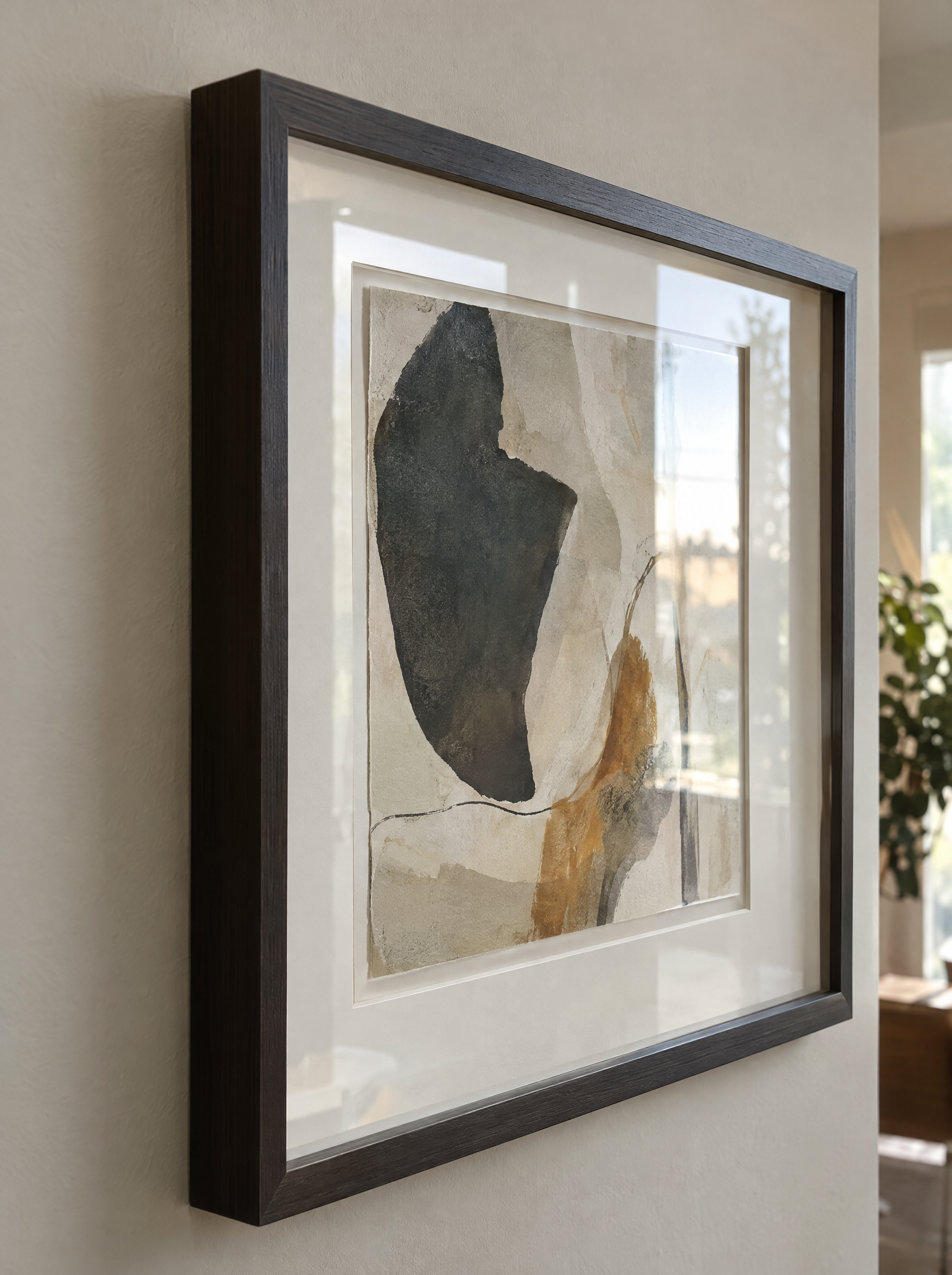
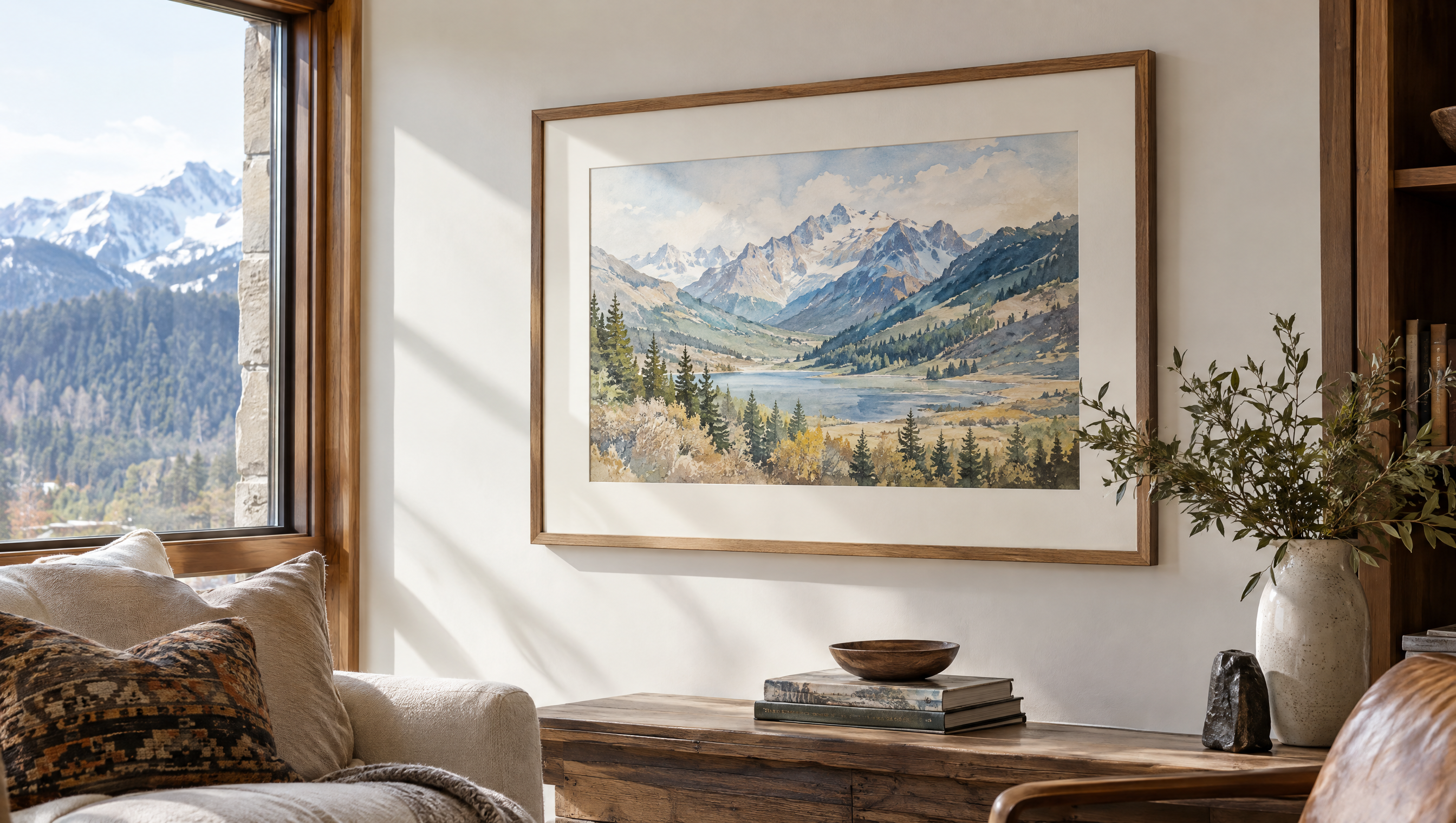
Mat width directly influences how your artwork is perceived once framed. A very narrow mat creates a tighter, more intimate boundary that emphasizes the image closely, while a wider mat introduces additional white space, giving the artwork room to 'breathe' and often elevating its presence on the wall. This white space frames the piece visually in a way that can draw the eye inward and highlight details or colors that might otherwise be lost in a crowded frame.
Wider mats tend to create a more formal or traditional presentation and are often favored for fine art or pieces intended for gallery-style display. Conversely, narrower mats can lend a contemporary or casual appeal, especially suitable for smaller works or pieces with a busier frame style. Mat width also affects the perceived size of the artwork; a wide mat will increase the overall impression of scale without increasing the artwork itself, which can enhance presence in a room, particularly in large spaces in homes near Greenwood Village.
Balancing Artwork Size and Mat Proportions
There is no universal mat width that fits every piece; the size and detail density of the artwork determine what mat width will best complement it. For example, very small or highly detailed artworks often benefit from narrower mats, which keep the focus on the artwork without overwhelming it. Larger works or those with simple compositions frequently look better with broader mats that prevent the piece from appearing lost within the frame.
During a consultation, it’s useful to bring the artwork or precise measurements along with photos showing the displayed environment to discuss how mat width impacts perception. Keep in mind the frame style and width because they interact with the mat; a thin mat paired with a thick, ornate frame can appear visually unbalanced, while a wide mat with a minimalist frame can feel too stark. The goal is a harmonious overall effect where the mat acts as both buffer and spotlight.
Material and Color Considerations When Selecting Mat Width
Choosing a mat width is also connected to the choice of mat board material and color. The mat surface texture and its archival qualities influence both preservation and appearance. Acid-free, museum-grade mats are recommended, especially if the artwork is valuable or sensitive. Such mats help prevent discoloration or damage over time, regardless of width.
Color can drastically alter how the artwork interacts with the mat's space. Neutral shades like white, cream, or soft gray often work well with broad mats, maintaining a subtle frame that doesn’t compete with the art. More colorful mats might require narrower widths to avoid overwhelming the piece, or they may be employed in wider widths to make a bold statement. Discussing these subtleties in material choice with your framer at Masten Fine Framing in Greenwood Village ensures a balanced final outcome.
Common Mistakes to Avoid with Mat Width Selection
One frequent misstep is choosing mat widths based solely on frame size without considering artwork dimensions or style. This can result in disproportionate framing that distracts from or diminishes the artwork’s impact. For example, an excessively wide mat can dwarf a small piece, making it look insubstantial rather than enhanced.
Another mistake is overlooking how the mat width works within the intended display space. A mat width that looks perfect in a shop or studio might not translate well to a low-light or confined home wall where the artwork will ultimately hang. Bringing photos or measuring the display area when consulting with your frame shop helps avoid this problem.
Finally, neglecting the mat’s archival quality in favor of cheap or non-standard widths can compromise long-term preservation. Opting for standard mat widths with archival materials balances aesthetics and durability without incurring unnecessary risk.
What to Bring to Your Framing Consultation
For the most productive discussion about mat width, bring your artwork if possible, or at least detailed measurements including height, width, and depth of any raised elements. Also, bring photographs of the space where the framed piece will be displayed to provide context for size and lighting conditions.
Consider bringing examples of mat widths or framed artwork images that appeal to you, as this helps frame your preferences and expectations clearly. Information about the frame style and any special preservation needs (such as UV protection for sunlight exposure common to homes near Greenwood Village windows) will also enable framing experts to tailor recommendations more precisely.
Summary: Getting the Most Out of Mat Width Choices
The mat width shapes the visual flow between artwork and frame and impacts style, scale, and preservation. With thoughtful choices regarding width, material, and color, your framed piece can achieve the balance between prominence and subtlety that suits your space and taste.
Discussing your artwork’s unique attributes with a professional framer—such as those at Masten Fine Framing in Greenwood Village—can help refine these decisions and avoid common pitfalls. Ultimately, selecting the ideal mat width is a key step in custom framing that amplifies your artwork’s beauty with intentional design.