Understanding the Fragility of Works on Paper
Works created on paper, including drawings, prints, watercolors, and photographs, are inherently delicate. Their porous surfaces and sensitivity to light, humidity, and pollutants mean framing methods must prioritize preservation in addition to aesthetics. Ordinary framing materials may contain acids or chemicals that can cause deterioration over time, so selecting archival-grade components is essential.
Because paper art can discolor, warp, or become brittle when improperly framed, it’s crucial to work with a framer experienced in conservation techniques. These considerations help maintain the integrity and vibrancy of your piece, ensuring it remains a cherished part of your collection for years to come.
Choosing the Right Glazing for Protection and Clarity
The choice of glazing (glass or acrylic) plays a critical role in both protecting and displaying works on paper. Standard glass offers clear viewing but can be heavy and prone to breakage. Acrylic options tend to be lighter and shatter-resistant but may scratch more easily if not maintained properly.
Another vital consideration is UV protection. Prolonged exposure to sunlight or fluorescent lighting can fade inks and pigments, so selecting glazing with UV-filtering properties helps mitigate this risk. While UV-filtering glazing may slightly affect color clarity, advancements in materials have improved their transparency, striking a balance between protection and appearance.
The Importance of Archival Matting and Backing
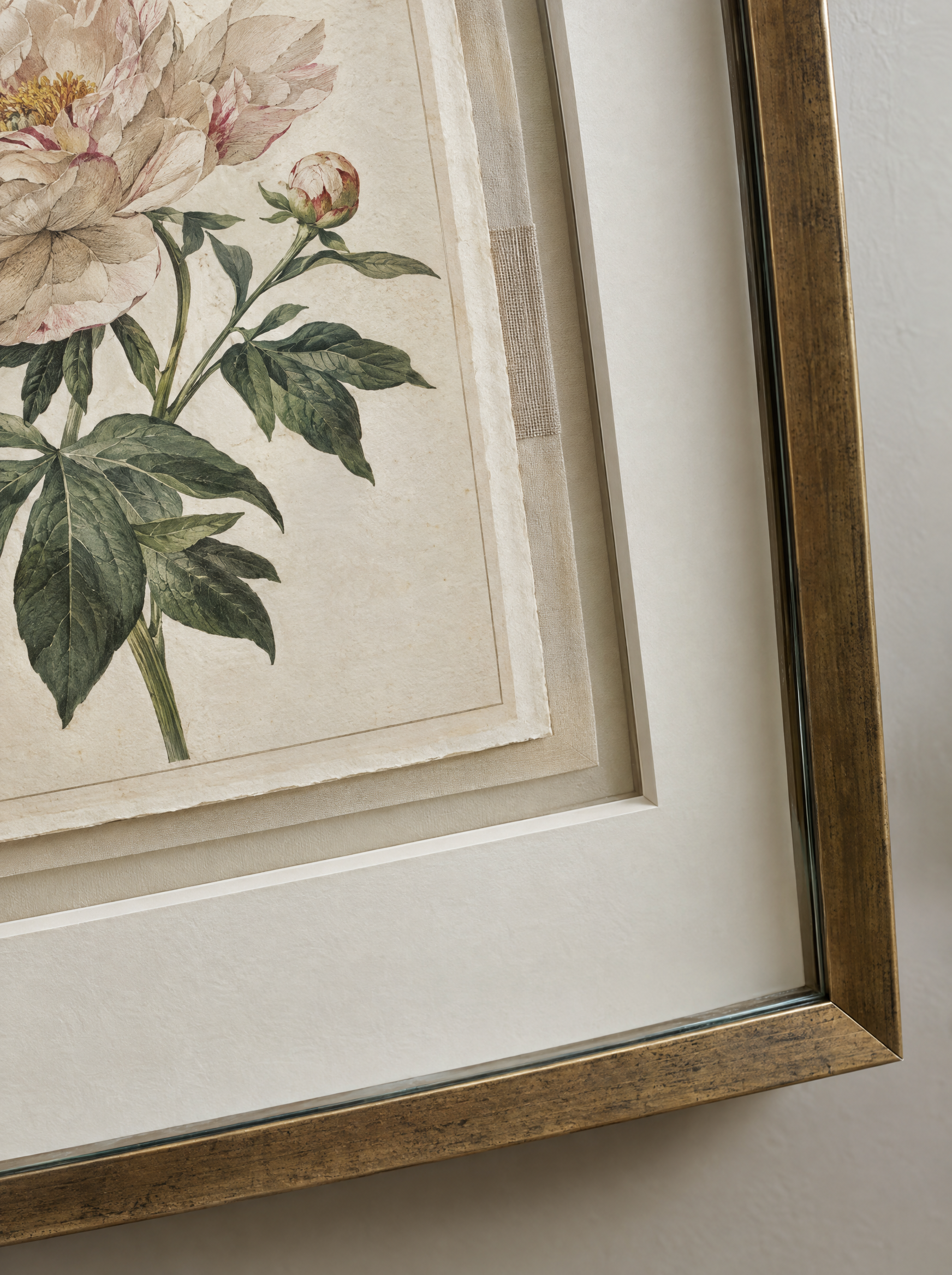
Archival matting serves both aesthetic and protective functions. It creates a visual separation between the artwork and the glazing, preventing condensation from touching the paper surface and reducing the risk of condensation-related damage. Quality mats are made from acid-free and lignin-free materials to avoid acids migrating to the artwork over time.
Backing boards should also be acid-free and sturdy enough to support the framed piece, reducing warping or bending. Using archival hinges to attach the artwork, rather than adhesives or tape applied directly to the paper, is a key preservation technique that prevents damage during framing or future conservation work.
Environmental Factors and Display Considerations
Where and how you display framed works on paper impacts their longevity as much as framing choices. Avoid placing artwork in direct sunlight or areas with high humidity like bathrooms or kitchens to prevent fading and warping. Maintaining stable temperature and humidity levels slows deterioration and keeps the framing materials functioning as intended.
Lighting should be carefully considered; low-UV or LED fixtures that do not emit heat are preferable to fluorescent bulbs. Regular inspection and occasional reframing may be necessary to address evolving environmental effects or to upgrade preservation measures.
Common Customer Questions and Tradeoffs
Customers often ask about the differences between UV-protective glass and standard glazing, the costs associated with archival framing, or whether non-archival materials will cause immediate harm. It’s important to understand that while archival materials generally come at a premium, they significantly extend the lifespan of delicate artworks and protect your investment.
Some customers prioritize aesthetic over longevity, opting for decorative mats or traditional glass. In such cases, understanding potential risks and setting expectations is helpful. Experienced framers can guide you through balancing preservation needs with style preferences to find the best solution for your collection.